On Valentine’s Day 2022, we gathered in a Zoom room, all squares and no chocolates. A one-eyed cat named Pirate purred his way into the scene. California for All Animals launched with an invitation to dream different, as so many Californians have before. An invitation to imagine what’s possible when we invest in what it takes to match animals in need with the right outcome through the right care, delivered in the right place and at the right time.
Does that feel incredibly idealistic now?
It’s true that rising costs and pet restrictions continue to lock families out of stable housing. Violent immigration enforcement policies separate families and send pets to already crowded shelters. For many shelters and communities, essential vet care is out of reach. Even with over $16 million in grant funding devoted to spay/neuter, we’re still limited by shortages of veterinarians and support staff, and a pandemic-era surgery backlog persists.
These aren’t personal failures. They’re systems failures that make it increasingly difficult for people to care for animals and for shelters to serve their communities.
But this is also true: Our collective action to make change brings us closer to that Valentine’s Day vision.
Over 72 All Calls, we saw what this looks like in practice. Shelters building partnerships with veterinarians and community organizations to deliver low-cost care, free spay/neuter, microchips, and vaccines. Piloting short-term foster programs, veterinary assistance funds, fee-waived Return-to-Home and education-before-citation approaches that recognize people want to care for their animals when barriers are removed. Translating shelter websites and adoption materials. Sharing Emotional Support Animal information, pet food, and supplies through pop-up events, flyers and door-knocking. And within and across organizations, sharing disaster support and mutual aid resources, and strengthening cross-team collaboration to get animals home faster. There is a role for everyone to play.
You’ve documented what it means to meet people where they are, with compassion, respect, and a recognition of what we share: a belief that pets are family, and that we all deserve the conditions needed to care for the animals who add so much to our lives.
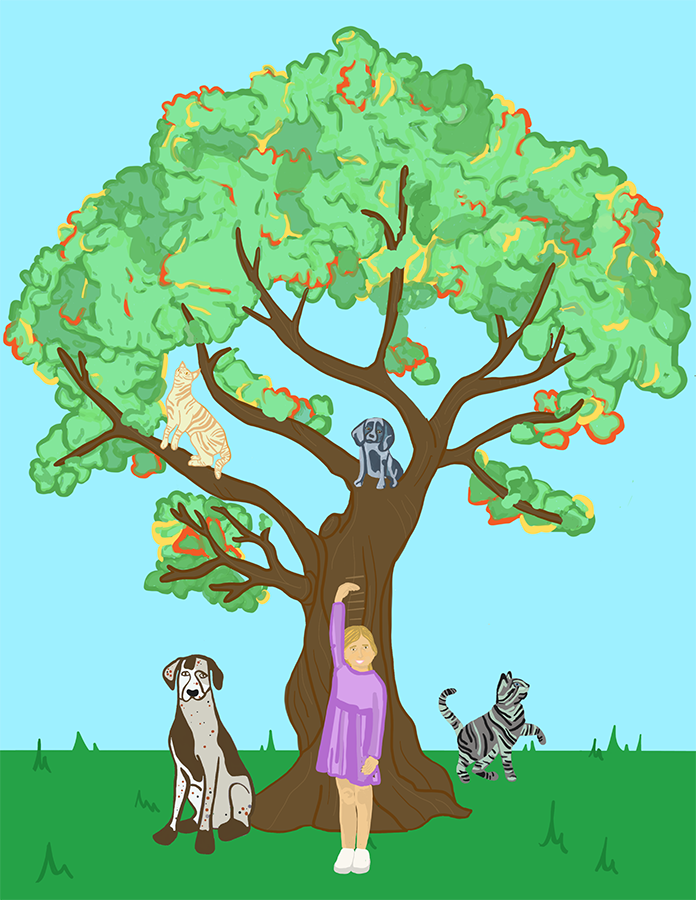
“More Pets and People Together, More Growth” – Illustration by Lola Victor (Siskiyou Humane Society)
Ultimately, these 72 hours offer a record of reimagining not just what we do, but how we do it. You’ve documented what it means to meet people where they are, with compassion, respect, and a recognition of what we share: a belief that pets are family, and that we all deserve the conditions needed to care for the animals who add so much to our lives.
A California that’s truly for All Animals—and for safer, healthier, and more connected communities where people and animals can thrive together—requires ongoing action and ongoing investment.
Thank you for everything you’ve brought to this work over the last three years. The All Calls are ending, but their spirit continues. We hope, on days you feel discouraged, you’ll be reminded of the many colleagues who are ready to support you.
The community relationships and partnerships you’ve built—they’re yours to keep growing. You’ve shown us that meaningful change builds slowly, through small, brave acts of innovation and care. The bright spots you’ve shared—they’re spreading.
And the advocacy you’re doing matters. City councils, county boards, and state legislators need to hear from shelter teams and community members why sustained funding is so important. They need to hear firsthand stories that show why a robust state spay/neuter fund is crucial.
Keep committing to changing systems rather than blaming individuals and one another. We can continue moving toward that vision of the right care, in the right place, at the right time—where pets and people have what they need to stay together, and shelters have what they need to be there when animals need help most.
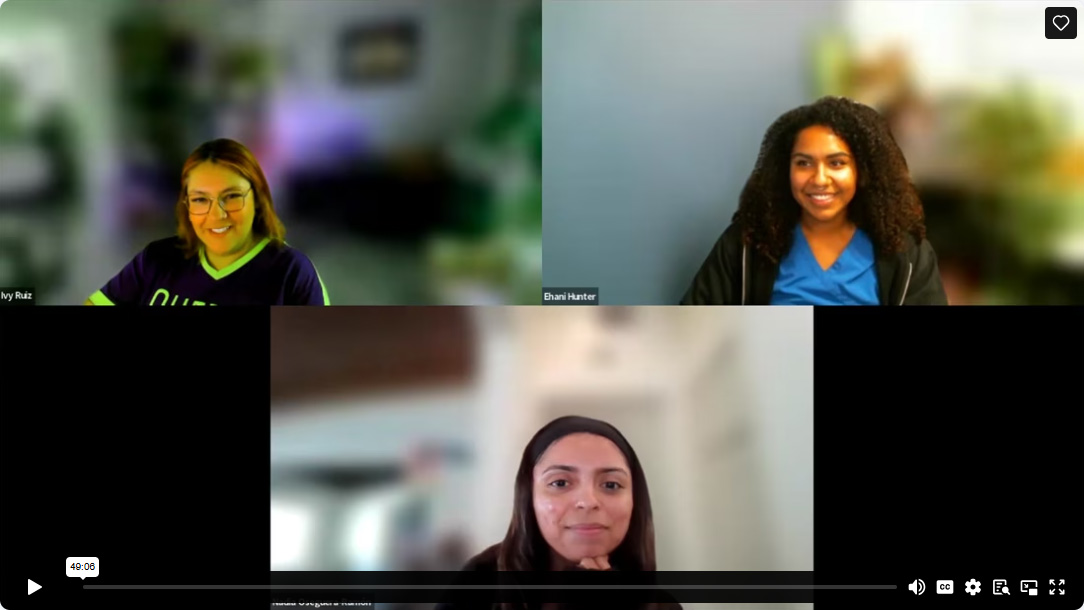
Shelter Outreach Veterinary Assistant Ehani Hunter shares her journey from San Diego Humane Society’s shelter medicine team to their traveling HQHVSN clinic. Whether you’re curious about community-based veterinary work or exploring different pathways in shelter medicine, this conversation offers inspiration for how vet professionals can adapt and grow within the field.
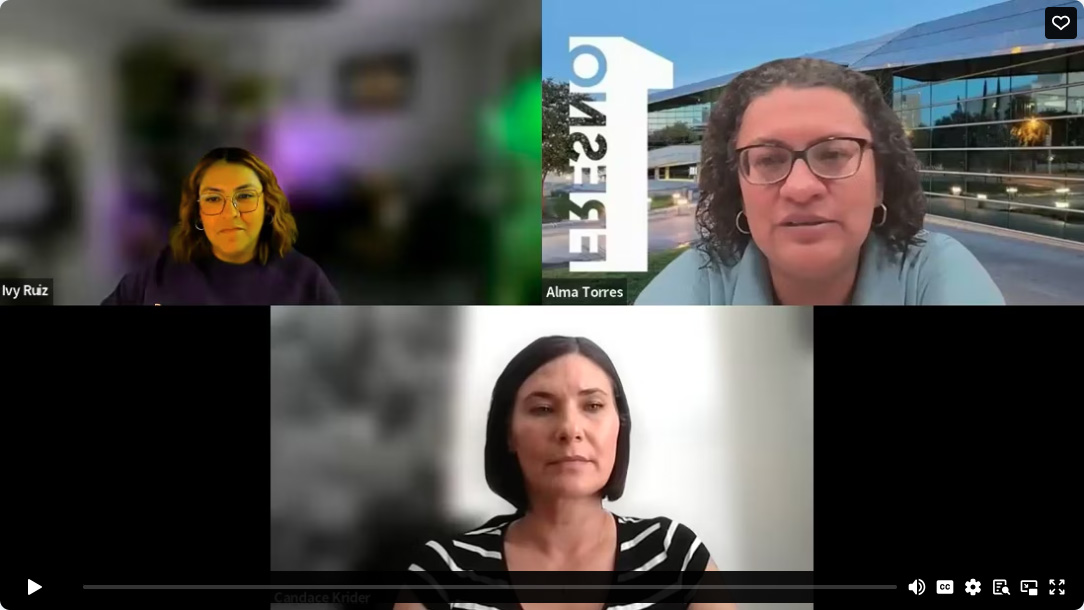
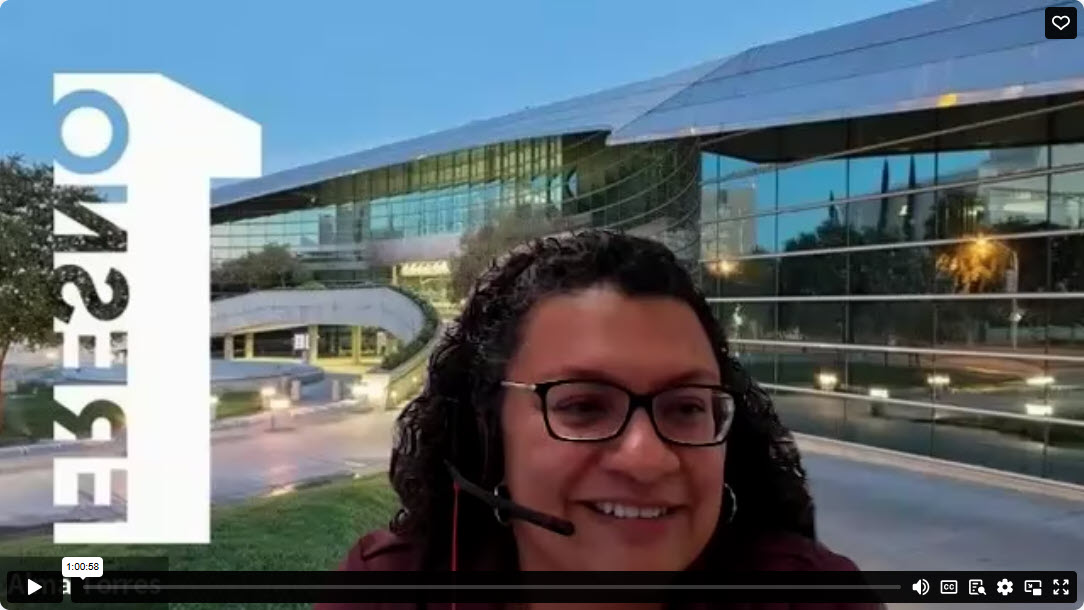
At this All Call, Fresno Animal Center Director Alma Torres and Medical Director Dr. Candace Krider shared how they deal with day-to-day pressures and plan for the future. “Dr. Krider and I have these conversations: What can we take from this crisis? What lesson can we learn?” Alma said. “Because every crisis is an opportunity.”
Watch this conversation for their hard-won insights on leveraging spay/neuter resources, making fee decisions that reduce barriers, and setting up a new vet clinic. You’ll also learn how Dr. Krider uses cross-team training and clear protocols to make sure more animals get the care they need.
Alma and Dr. Krider reminded us how important it is to work hard to support your community and give yourself grace during hard times—in other words, right now.
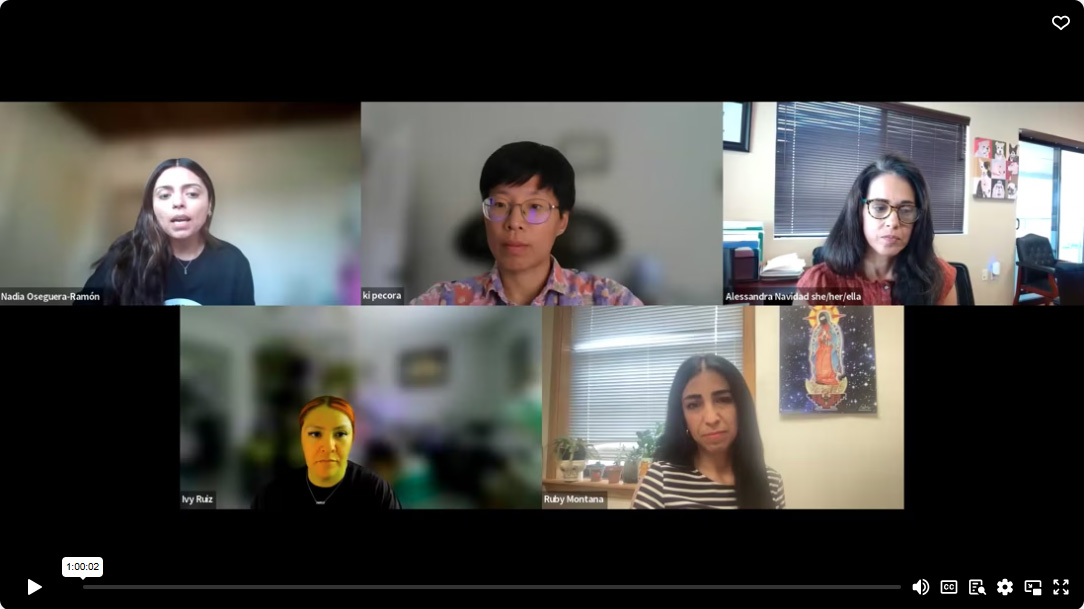
Whether we were born here or moved to make this country our home, we do what it takes to care for our families. Every day, people wait in long lines at mobile clinics, carpool to get neighbors’ dogs to spay/neuter appointments, or drive across counties to put food in bowls. As Bridge Pups Rescue founder Ruby Montana reminded us at last week’s All Call, when moving means a better, safer life for our family, we’ll go to incredible lengths to make sure our pets don’t get left behind.
Immigration and Customs Enforcement (ICE) activity is threatening the bonds that define our communities. Arizona Animal Welfare League President and CEO Alessandra Navidad and L.A. Community Organizer Ki emphasized that the places where we live and work are impacted. Shelters and partner organizations are receiving animals from pet guardians who have been unexpectedly detained or deported. Pet guardians, staff, and volunteers may worry about sharing personal information or attending appointments and events.
People are showing up in solidarity in their communities; we can too. Ruby, Alessandra, and Ki shared steps we can take to preserve compassion and support our co-workers and clients:
Plan together: Create an action plan for families at risk of being targeted by ICE. Team up with like-minded partner organizations like Dog Is My Copilot for transports or emergency fostering. Pets can be microchipped with a reliable U.S. contact to facilitate reunification if a family is separated.
Implement protective policies and staff training: Rely on community expertise by developing relationships with immigration lawyers and community organizations. Train staff to legally and effectively respond to ICE agents, and establish clearly labeled distinctions between your facility’s public and private spaces.
Be an information hub: Help vital information reach your community. Ki formed an ICE watch group with neighbors to monitor, share alerts, and help others feel safe. You can also report activity anonymously through the ICEblock app and prepare your team and community for encounters through emergency drills, role-playing, and distributing “Know Your Rights” red cards.
After watching this recording, you’ll have what you need to make an action plan for your organization.
Español
O hemos nacido aquí o nos mudamos aquí para hacer de este país nuestro hogar, hacemos lo necesario para cuidar a nuestras familias. Cada día, hay personas que se esperan horas en clínicas móviles, comparten su auto para llevar a esterilizar a los perros de sus vecinos, o cruzan condados enteros para llenar los platos de comida. Como nos recordó Ruby Montana, fundadora de Bridge Pups Rescue, en el All Call de la semana pasada, cuando mudarse significa una vida más segura y mejor para nuestras familias, hacemos hasta lo imposible para que nuestras mascotas no se queden atrás.
La actividad del Servicio de Inmigración y Control de Aduanas (ICE) está amenazando los lazos que forman nuestras comunidades. Alessandra Navidad, presidenta y directora ejecutiva de la Arizona Animal Welfare League, y Ki, organizador comunitario en Los Ángeles, destacaron cómo esto impacta los lugares donde vivimos y trabajamos. Refugios y organizaciones asociadas están recibiendo animales cuyos cuidadores han sido detenidos o deportados inesperadamente. Las familias, el personal y las personas voluntarias pueden sentir temor de compartir información personal o asistir a citas y eventos.
Muchas personas están actuando con solidaridad en sus comunidades —nosotras y nosotros también podemos hacerlo. Ruby, Alessandra y Ki compartieron acciones concretas que podemos tomar para mantener la compasión y apoyar a nuestras compañeras, compañeros y clientes:
Planifiquen en conjunto: Elaboren un plan de acción para familias que corren riesgo de ser objetivo de ICE. Alíense con organizaciones afines como Mi Perro es mi copiloto (Dog Is My Copilot) para traslados o cuidado de emergencia. Asegúrense de que las mascotas tengan microchip con un contacto confiable en EE.UU. para facilitar la reunificación si la familia se separa.
Implementen políticas de protección y capacitación del personal: Apóyese en la experiencia de la comunidad desarrollando relaciones con abogadas y abogados de inmigración y organizaciones comunitarias. Capaciten a su personal para responder legal y eficazmente ante agentes de ICE, y marquen claramente los espacios públicos y privados dentro de su instalación.
Conviertan su espacio en un centro de información: Ayudan a que información vital llegue a la comunidad. Ki formó un grupo de vigilancia de ICE con vecinas y vecinos para monitorear, compartir alertas y generar un sentido de seguridad. También pueden reportar actividad de ICE de forma anónima a través de la app ICEblock, y preparar a su equipo y comunidad mediante simulacros, juegos de roles y distribución de tarjetas rojas de “Conozca sus derechos”.
Después de ver esta grabación, tendrán lo necesario para crear un plan de acción para su organización.
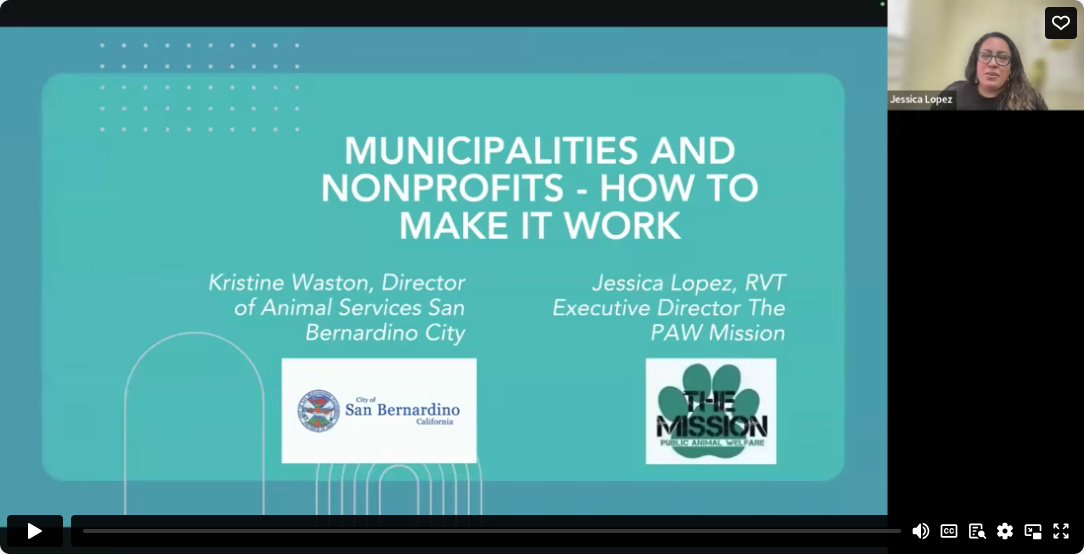
In San Bernardino County, Jessica Lopez (Executive Director/Founder, The Paw Mission) and Kristine Watson (Director, City of San Bernardino Animal Services) are meeting collective challenges with collective action. As the largest county in the U.S., San Bernardino faces community conditions, including housing and veterinary care barriers, that impact health and well-being and make it hard for many families—and shelters—to access essential care for animals. Jessica and Kris joined last week’s All Call to show us what’s possible when a nonprofit and municipal agency team up to deliver community-centered care. Watch this recording for their advice on how to establish partnerships and keep them strong, including:
Navigating the ins and outs of municipal requirements and nonprofit considerations
Sharing success and surviving “the sucky parts”
Anticipating what-ifs and proactively addressing issues
Collaborating via group chat and clarifying jurisdictional differences
Finding vets, and more!
Jessica and Kris emphasized relying on consistent communication, not assumptions. Whether you’re engaging with partner organization staff or community members, listen first and seek understanding. Partnerships are most effective when we cultivate a culturally-responsive approach, one that takes into account individuals’ diverse backgrounds, experiences, and needs.
Kris on the first step organizations can take to begin building partnerships in their communities: “Admit to yourself and your team what’s not working, and look for partners that can help you fill that gap. … We’re serving the public—things are kind of messy sometimes. Admit that to yourselves and to the community, saying, ‘Hey, we need help. … We’re trying. But this is not working.’ Look for other municipalities that are successful and see who they’re partnering with. Be vulnerable; ask for help when you need it.”
Español
En el condado de San Bernardino, Jessica López (Directora Ejecutiva/Fundadora de The Paw Mission) y Kristine Watson (Directora de Servicios para Animales de la Ciudad de San Bernardino) están abordando desafíos colectivos con acción colectiva. Siendo el condado más grande de EE. UU., San Bernardino enfrenta condiciones comunitarias, incluyendo limitaciones de vivienda y atención veterinaria, que afectan la salud y el bienestar, y dificultan que muchas familias—y refugios—accedan atención esencial para sus animales. Jessica y Kris se unieron a la Convocatoria de la semana pasada para mostrarnos lo que se puede lograr cuando una organización sin fines de lucro y una agencia municipal se unen para brindar atención centrada en la comunidad. Vea esta grabación para conocer sus consejos sobre cómo establecer alianzas y mantenerlas sólidas, incluyendo:
Cómo comprender los pormenores de los requisitos municipales y las consideraciones para organizaciones sin fines de lucro
Cómo compartir el éxito y superar los momentos difíciles
Cómo anticipar posibles imprevistos y abordar los problemas de forma proactiva
Cómo colaborar a través del mensajes de texto grupales y aclarar las diferencias jurisdiccionales
Cómo encontrar veterinarios, ¡y mucho más!
Jessica y Kris enfatizaron la importancia de evitar suposiciones y mantener una comunicación constante. Sin importar con quien esté interactuando (trabajadores de la agencia o miembros de la comunidad), primero escuche y busque la comprensión. Las alianzas son más efectivas cuando cultivamos un enfoque culturalmente receptivo, que toma en cuenta los diversos orígenes, experiencias y necesidades de las personas.
Kris hablando sobre el primer paso que pueden dar las organizaciones para empezar a forjar alianzas en sus comunidades: “Reconozcan ante ustedes mismos y ante su equipo lo que no funciona y busquen socios que puedan ayudarles a solucionar ese problema. … Estamos sirviendo al público; a veces las cosas se complican un poco. Reconózcanlo ante ustedes mismos y ante la comunidad, diciendo: ‘Oigan, necesitamos ayuda. … Lo estamos intentando, pero esto no funciona’. Busquen otros municipios que tengan éxito y vean con quiénes se están asociando. Sean vulnerables; pidan ayuda cuando la necesiten”.
Share information and resources to prevent pre-seizure situations—Rancho Cordova’s approach has kept pets and people together in every single case!
Get veterinarians on board with your pet support programming
Challenge biases and spark greater empathy and understanding
Navigate complex cases and sensitive conversations
Co-create solutions that center caretakers and animals and also work for animal services and the larger community
And make real change—to shift organizational culture and the “dog catcher” narrative.
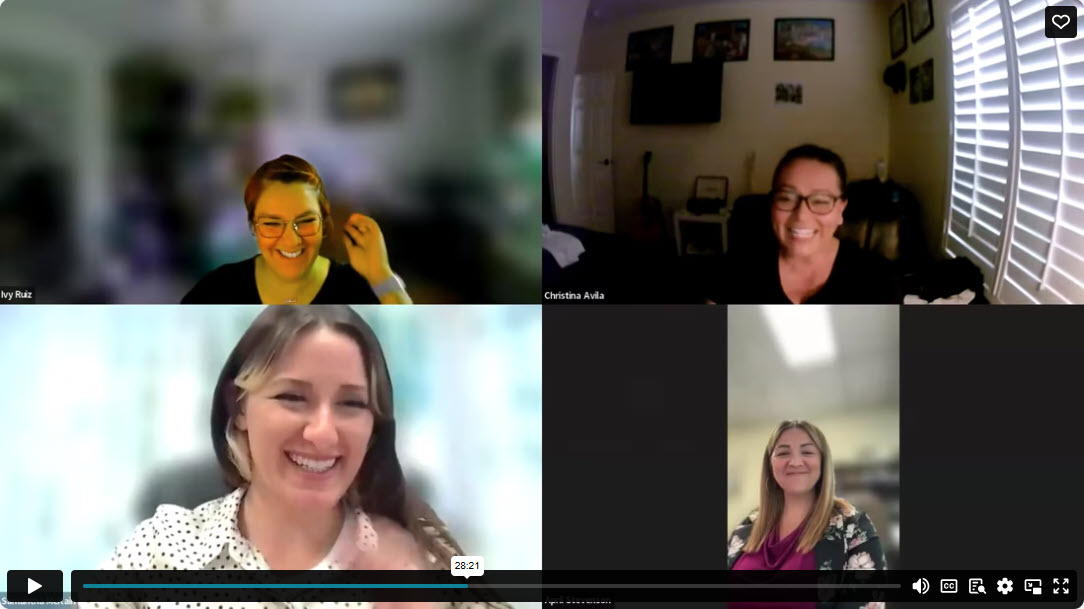
Make time for this one if you need to hear from colleagues who know what it’s like to go from burned out to fired up. April, Christina, and Samantha offer encouragement and examples you can take back to your team today.
Christina Avila on making a difference: “I’ve been in the position where I didn’t have the opportunity to do what I’m doing now. So if you’re out there and you feel lost, and you don’t think you can do this—You can. Do it for yourself. Do it for your community. And document: This day I did A, B and C, and this was the result of it. And yes, I didn’t write a citation, but I kept the dog out of the shelter, and I kept the dog with their family, […] Whoever is out there and you hear this, keep pushing. Keep doing it. You’re doing a great job.”
Español
Dos palabras: Practico. Inspirador. “El trabajo en equipo como este es lo que realmente va a salvar a muchos animales” Así resumieron varios esta última sesión del grupo de práctica enfocada en servicios en campo, con Christina Avila (Ciudad de Perris – Control Animal), April Stevenson y Samantha Makin (Servicios para Animales de Rancho Cordova).
Cada minuto de la conversación estuvo lleno de ideas útiles sobre lo que se necesita hacer día a día, llamada tras llamada, como por ejemplo:
Crear relaciones y armar presupuestos (y sacarle el máximo provecho a lo que ya tienes)
Compartir info y recursos para evitar crisis antes de que ocurran — el enfoque de Rancho Cordova ha mantenido unidas a las mascotas con sus familias en todos los casos
Involucrar a veterinarios en tu programa de apoyo para mascotas
Romper prejuicios y generar más empatía y comprensión
Manejar casos complicados y conversaciones delicadas
Crear soluciones en conjunto que pongan en el centro a quienes cuidan y los animales, pero que también funcionen para los servicios de animales y la comunidad en general.
Y hacer un cambio real -transformar la cultura organizacional y dejar atrás la imagen del “cazador de perros”
Toma un rato para ver esta sesión si necesitas escuchar colegas que saben lo que es pasar de estar agotado a sentirse con energía otra vez. April, Christina, y Samantha comparten motivación y ejemplos que puedes llevarte hoy mismo para compartir con tu equipo.
Christina Avila sobre cómo marcar la diferencia: “He estado en la posición en la que no tenía la oportunidad de hacer lo que hago ahora. Por si estás allá afuera sintiéndose perdido y piensas que no puedes lograrlo- tú si puedes. Hazlo por ti. Hazlo por tu comunidad.Y documenta: Hoy hice A, B, y C y ese fue el resultado. Y si, no note una infracción, pero logre que un perrito no , fuera al refugio y que se quedara con su familia.[…] El que este alla escuchando,sigue adelante. Siguele. Estas haciendo un gran trabajo”.
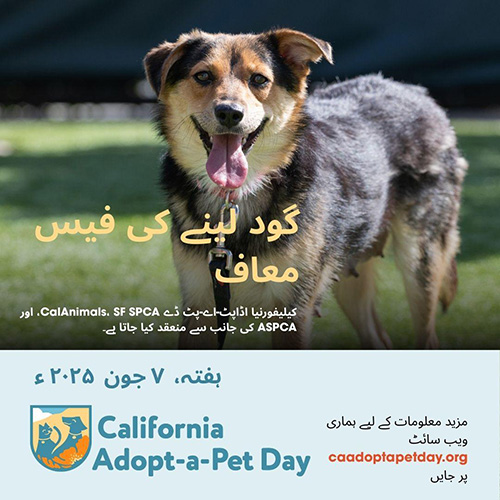
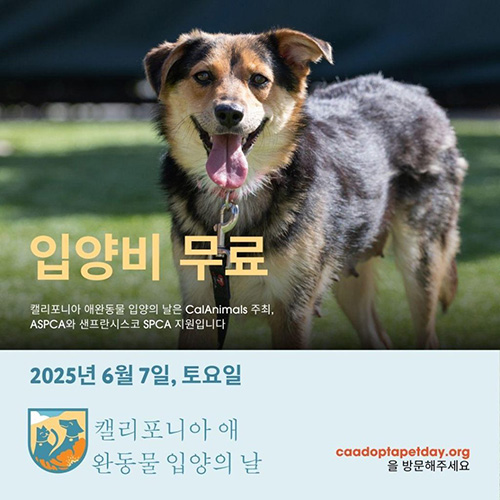
California4AllAnimals has partnered with Patitas y Palabras, a local translation company, to provide colloquial, customized translations for the 2nd annual CA Adopt-a-Pet Day hosted and sponsored by Cal Animals, SF SPCA and the ASPCA. Adoptions are free at over 100 participating animal shelters throughout California on Saturday, June 7th!
We know that people love pets and recent stats show that only about 40% percent of pet owners get their pets from shelters. The fact that more than 2/3 of the population identify as pet owners shows there is a huge opportunity to increase the number of adopters. And being welcoming and inclusive is a way to build trust with the community to increase those numbers. That’s what this multilingual campaign is all about.
Did you know that 45% of Californians over the age of 5 speak a language other than English at home? And that many animal shelters are only able to provide materials in English or through an automated web translation? Thanks to the Cal4All/PyP partnership, the www.caadoptapetday.org website is available in English, Spanish, Chinese, Vietnamese, Korean, Urdu and Tagalog, seven of the most common languages in the state. That means more Californians can find information about this year’s event in the language they associate with home and family. And because the text has been translated by native speakers working in animal welfare, the content is clear and culturally nuanced.
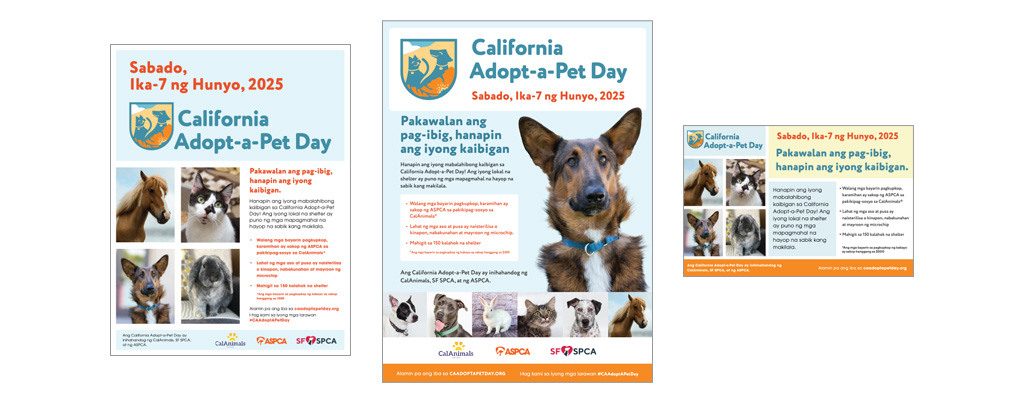
While the website serves as a promotional tool inviting potential adopters to the event, it also offers participating shelters pre-made resources to do their own publicity—posters, flyers, banners, and social media assets in all seven languages.
With over 200 languages spoken in the state, some shelters may wish for materials in other languages. The Shelter Resources pages on the site have you covered there too. Thanks to CalAnimals, SF SPCA, the ASPCA and the web development and design team at The Engine is Red, editable templates of the posters, flyers and some social media assets are available for free on Canva.
Being able to welcome more adopters to the shelter as part of a larger multicultural engagement initiative can create a virtuous cycle of community support. At our Multicultural Engagement Community of Practice calls, shelter workers share how their own personal and professional journeys have helped them deepen ties with their communities. Register to join future calls, or watch a recorded call to learn how your colleagues are working successfully with multiple language communities to run robust field services, food banks, community cat programs and more.
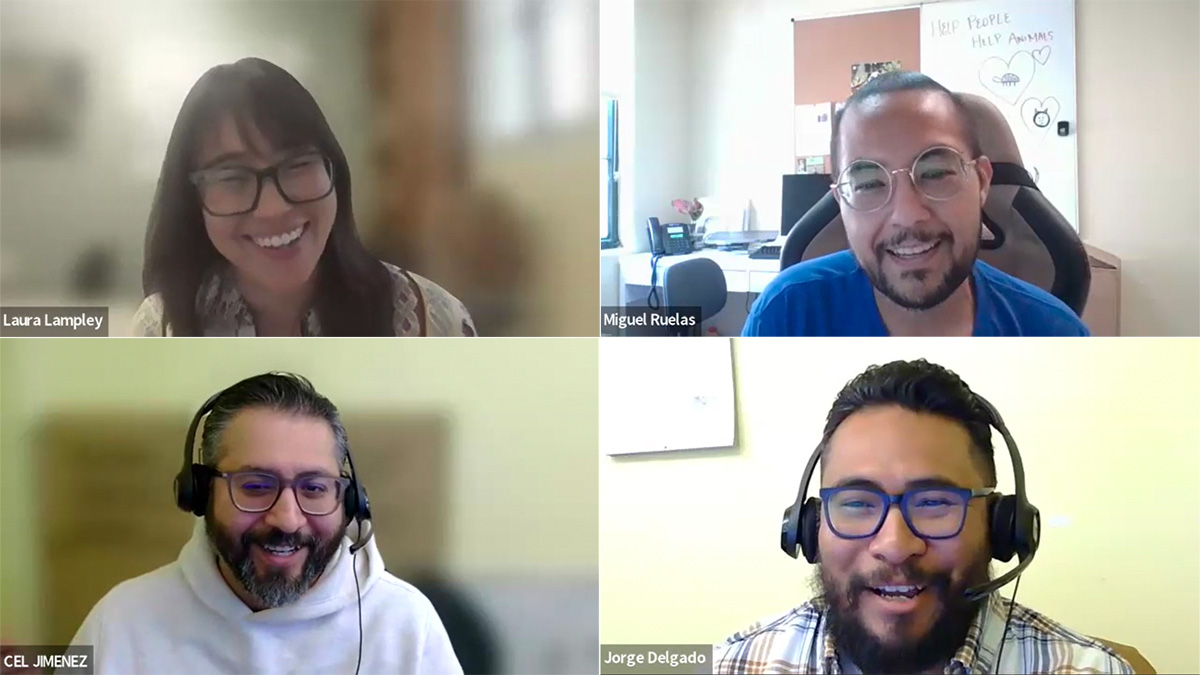
Events like wildfire, job loss, illness, or a change in housing or other circumstances can challenge our ability to access food and resources for ourselves and the animals we love. Last week’s All Call with team members from Pasadena Humane and the Humane Society of Sonoma County highlighted that we all play a role in collective caregiving when life’s storms hit. Programs like Helping Paws and the Community Action Team work with partners to shore up well-being during tough times, keeping pets in their homes and reducing the number of animals entering shelters. Key takeaways from Laura Lampley and Miguel Ruelas (Pasadena Humane), and Jorge Delgado and Cel Jimenez (Humane Society of Sonoma County):
Lived experience matters. Laura, Miguel, Jorge, and Cel shared how their personal and professional backgrounds help them build programs that respect pet guardians’ diverse realities, beliefs, cultures, and ways of communicating. When teams and partners include people with direct experience of the challenges we’re addressing, we create better solutions rooted in solidarity and understanding, rather than saviorism or assumptions.
Shelters don’t have to (and shouldn’t) go it alone. As Jorge emphasized, partnering with local community-based organizations, schools, and leaders is crucial to program success and sustainability. Collaborating with others already doing similar work in the community allows shelters to better understand needs and extend reach without extra resources.
Numbers and stories combined make for more powerful measures of progress and impact. Jorge and Cel distributed surveys through food bank partners to quantify community need and underline the importance of pet food support. Miguel emphasized that listening to community members’ stories helps us advocate more effectively while connecting us to the deeper purpose of our work. “I know that we are a resource for the community,” Miguel said. “But they’re a resource for us, too.”
Whether you’re running a donation-based pet food/resource pantry, hoping to start one, or curious about partnering with a local food bank or human services organization, this conversation is for you! (And, California Program Manager Nadia Oseguera-Ramón suggests, so is this book.)
Laura on creating an open and welcoming environment: “I think it’s just important to understand it’s not easy to even walk through the door and ask about any anything, even just like a simple question, let alone come in to reclaim your pet and have someone maybe judging you for the condition of the pet or if it lives in the yard. […] That’s why I think it’s so important to have people that look like your community working in all of your front-facing roles, not just intake or Helping Paws. Because that is a signal that maybe I can trust—maybe I can trust this person. […] It’s a conversation; It’s relationship-building. It’s making sure that they know it’s a safe place.”
Español
Eventos como incendios forestales, la pérdida de empleo, enfermedades o cambios en la vivienda u otras circunstancias pueden dificultar nuestro acceso a alimentos y recursos para nosotros mismos y los animales que amamos. En el All Call de la semana pasada, con integrantes de Pasadena Humane y Humane Society of Sonoma County, se destacó que todas y todos desempeñamos un papel en el cuidado colectivo cuando enfrentamos tiempos difíciles. Programas como Helping Paws y el Equipo de Acción Comunitaria colaboran con socios para fortalecer el bienestar durante las crisis, ayudando a que las mascotas permanezcan en sus hogares y reduciendo el número de animales que ingresan a los albergues. Puntos clave de Laura Lampley y Miguel Ruelas (Pasadena Humane), y Jorge Delgado y Cel Jiménez (Humane Society of Sonoma County):
La experiencia vivida importa. Laura, Miguel, Jorge y Cel compartieron cómo sus antecedentes personales y profesionales les ayudan a crear programas que respetan las diversas realidades, creencias, culturas y formas de comunicación de los tutores de mascotas. Incluir en nuestros equipos y alianzas a personas con experiencia directa de los desafíos que abordamos permite crear soluciones más solidarias y efectivas, alejadas del salvacionismo o las suposiciones.
Los refugios no deben (ni pueden) actuar solos. Como destacó Jorge, colaborar con organizaciones comunitarias, escuelas y líderes locales es clave para el éxito y sostenibilidad de los programas. Trabajar con quienes ya realizan labores similares en la comunidad permite comprender mejor las necesidades y ampliar el alcance sin necesidad de recursos adicionales.
Combinar datos y testimonios genera mayor impacto. Jorge y Cel distribuyeron encuestas a través de los bancos de alimentos para cuantificar las necesidades de la comunidad y subrayar la importancia del apoyo alimentario para mascotas. Miguel enfatizó que escuchar las historias de la comunidad no solo nos conecta con el propósito d e nuestro trabajo, sino que también fortalece nuestra capacidad de abogar por ellos. “Sé que somos un recurso para la comunidad, pero ellos también son un recurso para nosotros.” — Miguel Ruelas ¿Estás a cargo de una despensa de alimentos para mascotas basada en donaciones, te gustaría comenzar una o tienes interés en asociarse con un banco de alimentos u organización de servicios humanos? ¡Esta conversación es para ti! (Y, como sugiere nuestra Gerente de Programa en California, Nadia Oseguera-Ramón, también lo es este libro).
Laura sobre cómo crear un ambiente abierto y acogedor: “Creo que es importante entender que no es fácil ni siquiera entrar por la puerta y hacer una pregunta, incluso una simple, mucho menos venir a reclamar a tu mascota y que alguien tal vez te juzgue por su condición o porque vive en el patio. […] Por eso es tan importante tener personas que se parezcan a tu comunidad en todos los roles de atención al público, no solo en admisiones o Helping Paws. Porque eso es una señal de que tal vez pueda confiar—tal vez pueda confiar en esta persona. […] Es una conversación; es construir relaciones. Es asegurarse de que sepan que es un lugar seguro.”
Alma Torres never imagined she’d be leading the City of Fresno’s animal shelter—not as a highschooler, when she started at the City as a student aide, or during the years she spent working her way to Deputy City Manager. Now, as Fresno Animal Center Director, Alma’s people-first approach is shaped by decades of experience in public service and a passion for supporting her community. (Another good reminder to rethink animal welfare-specific or other job requirements that make us miss out on amazing candidates!)
Here are three big-picture leadership lessons Alma shared with us at last week’s Multicultural Engagement Community of Practice:
Don’t fill in the blank. Recognize when assumptions or stereotypes about pet guardians or communities might be driving decisions or influencing mindsets, and get curious instead. “In my earlier career,” Alma said, “there were times in which I did not ask questions, and my brain filled […] the scenarios and answers. What I learned from that is that it doesn’t actually get us anywhere.”
To make the most of precious resources, get clear on shared priorities. When facing budget constraints, define and prioritize essential services and programs that directly benefit your community and align with your mission. Alma embraces partnerships with community organizations—from spay/neuter clinics and rescue groups to churches and schools—to maximize resources and achieve the goal of becoming a resource center.
Keep learning—and adapting—together. Encourage continuous learning and evaluation within your team, drawing lessons from both successes and mistakes. Seek out opportunities to learn from community members. One-on-one conversations can inform and improve services and messaging and also ensure you’re connecting with more pet guardians, prospective volunteers, adopters, and fosters.
Watch the recording to hear about Alma’s approach to successful spay/neuter conversations and removing Return-to-Owner and adoption barriers—and discover how a special memory of her mom inspires the way she thinks about pet ownership.
Related resources
Spay/neuter benefits flyer in English and Spanish (Oakland Animal Services)
Maddie’s® Tail Wag, a free collection of activities and coloring pages for animal lovers of all ages, available in English and Spanish. (Maddie’s Fund)
Sample Shelter Site – ready-to-use messaging in English and Spanish (UC Davis Koret Shelter Medicine Program)
To help California shelters implement welcoming practices for Latine communities, Cal for All Animals is fully subsidizing Spanish translation services. Email Patitas y Palabras for more information.
Alma on takeaways from her current role:
One of the things that I have learned is the amazing community that is animal welfare. […] I haven’t been been in this field for very long, but the people that I have reached [out] to, I feel like they’ve been my friends forever, because that is how helpful so many people in this field have been. […] The thing that I have learned is that the people that care for animals, you know, also care for humans, and that is just amazing. If there was so much more of that, I can just imagine the endless possibilities.
Español
Alma Torres nunca se imaginó que estaría al frente del Refugio de Animales de la Ciudad de Fresno—ni siquiera cuando era estudiante de secundaria, cuando comenzó a trabajar en la ciudad como asistente estudiantil, ni durante los años que trabajó para llegar a ser subdirectora de la Ciudad.
Ahora como Directora del Fresno Animal Shelter (Refugio de Animales de Fresno), Alma tiene un enfoque centrado en las personas primero que está moldeado por décadas de experiencia en el servicio público y su pasión por ayudar a su comunidad. (¡También es un buen recordatorio que hay que repensar los requisitos que a veces pedimos que nos hacen perder candidatos increíbles!)
Aquí hay tres lecciones generales de liderazgo que Alma compartió con nosotros en la reunión de la Comunidad de Práctica de Compromiso Multicultural:
No supongas cosas. Reconoce cuando las suposiciones o estereotipos sobre los dueños o comunidades de mascotas podrían estar guiando decisiones o influyendo en mentalidades, y en lugar de eso, ten curiosidad. Alma dijo: “En mi carrera anterior, hubo veces en que no hice preguntas y mi mente llenaba las respuestas o imaginaba los escenarios. Aprendí que eso no me llevaba a nada.”
Para aprovechar al máximo los valiosos recursos, hay que tener claras las prioridades compartidas. Cuando se enfrente a limitaciones presupuestarias, defina y priorice los servicios y programas esenciales que beneficien directamente a su comunidad y se alineen a su misión. Alma fomenta la asociaciones con organizaciones comunitarias, desde clínicas de esterilización/castración y grupos de rescate hasta iglesias y escuelas, para maximizar los recursos y lograr el objetivo de convertirse en un centro de recursos.
Sigan aprendiendo y adaptándose juntos. Fomenten el aprendizaje continuo y la evaluación dentro de su equipo, extrayendo lecciones tanto de los éxitos como de los errores. Busquen oportunidades para aprender de los miembros de la comunidad. Las conversaciones individuales pueden informar y mejorar los servicios y los mensajes, y también garantizar que se conecten con más tutores de mascotas, posibles voluntarios, adoptantes y familias temporarias.
Vean la grabación para conocer el enfoque de Alma para las conversaciones exitosas sobre esterilización y castración y la eliminación de las barreras de retorno al propietario y la adopción, y descubran cómo un recuerdo especial de su madre inspira su forma de pensar sobre la tenencia de mascotas.
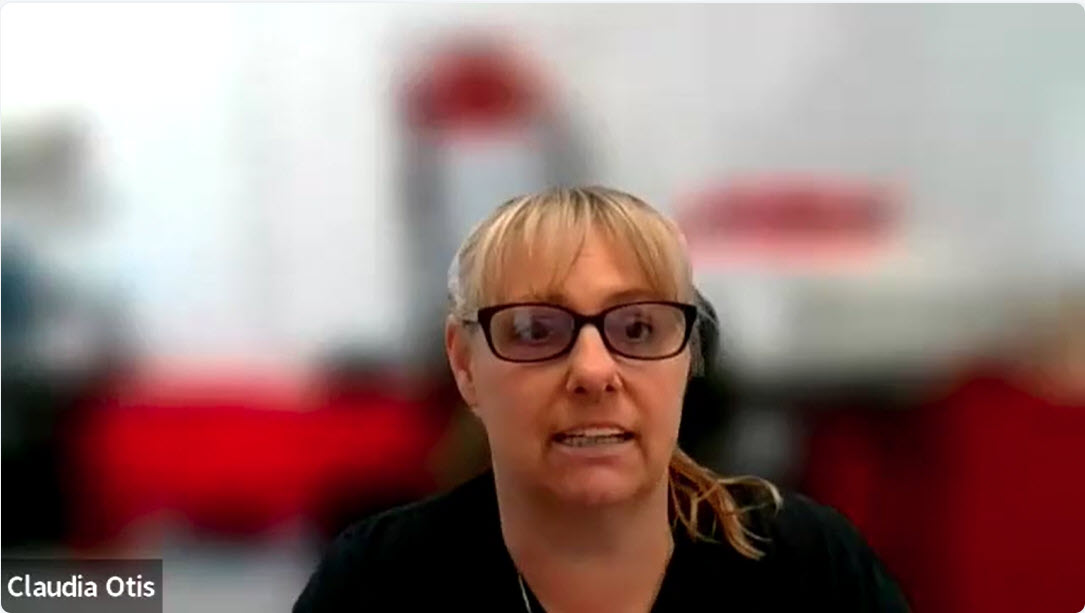
This powerful community of practice conversation was kicked off by Claudia Otis (Founder and Executive Director, The Little Lion Foundation). Our discussion revealed that when it comes to supporting community cats and their caretakers, we face significant challenges, but we’re also getting better at working around them by working together.
A few creative solutions:
The Paw Mission partnered with Tips and Whiskers to host TNR workshops, attracting 30 community members with 25 more signed up for upcoming Spanish-language sessions.
Elk Grove Animal Shelter transported cats 45 miles when facing veterinary shortages, refusing to let obstacles stop their community’s readiness to help..
Debra Olmedo’s team maximized limited clinic appointments through strategic trap training for caregivers.
Pasadena Humane has developed alternative support systems for residents who want to access TNR care when direct involvement isn’t possible.
The conversation highlights our shared experiences and affirms that breaking down barriers by respecting and working across language or cultural difference is one crucial way to support more community cats and their caretakers. Whether we’re a municipal or nonprofit shelter or organization, a cat caregiver or cat-weary neighbor, collaboration and persistence can create better outcomes for people, cats, and wildlife in our shared communities.
Watch now if you’re ready to feel less alone in your challenges and uplifted by colleagues’ and community members’ determination and creative solutions.
All Call on Meeting Kittens and People Where They Are: Debra Olmedo, ASPCA Community Outreach and Medical Care Senior Manager (Los Angeles), shares how working alongside community caretakers has increased the amount of felines being altered and kept out of Animal Care Centers.
What Home Means for Cats: Dr. Kate Hurley and Monica Frenden-Tarant discuss why it’s best to return all cats to their homes, how to build community support, and why indiscriminate impoundment of cats is harmful to marginalized communities.
Community cat messaging in English and Spanish: Find ready-to-grab messaging at our Sample Shelter Site. Translated materials that use jargon-free, everyday language are most effective. To help California shelters implement welcoming practices, Cal for All Animals is fully subsidizing Spanish translation services. Email Patitas y Palabras (pyptranslationservice@gmail.com) for more information.
Emily Wood pointed out that when we focus on building programs that are truly responsive to and representative of our communities, we not only gain partners in caring for animals; we rally a larger community to voice support for community cat programs:
Emily: “Having culturally competent interventions in the community, having staff that really are from the community and can speak to the community means that the people who come to the table at community meetings start to look more representative of the community and make your politicians listen in a different way. They’ve been listening to people who look like me scream about the cat in my backyard […] and they’ve learned to tune us out and with good reason. We’re not speaking for the whole community. And making spaces that are welcoming to everybody, too, I think is really important. So if your TNR crew looks like me, and somebody of color shows up to the clinic and […] is very uncomfortable looking for the one staff member who speaks a different language, are they likely to come back?”
Jamie Larsen reflected on lessons learned since the start of Sacramento SPCA’s community cat program, which has grown from serving 244 cats to 6,000 over the last 18 years:
Jamie: “One of the most important takeaways, I think, is really taking care of our staff, because sometimes community cat spay and neuter is a thankless game. The cats do not appreciate it, and are, you know, are not happy to be in traps, and sometimes the caretakers can have some frustrations, because, again, demand always exceeds capacity. […] And so reminding your teams and reiterating to your teams that the positive impact that they’re making every day in the lives of those cats and those caretakers is also important.
Español
Esta conversación sobre la comunidad de práctica fue iniciada por Claudia Otis (fundadora y directora ejecutiva de la Fundación Little Lion). Nuestro diálogo reveló que, cuando se trata de apoyar a los gatos de la comunidad y a sus cuidadores, nos enfrentamos a problemas importantes, pero también estamos mejorando para resolverlos trabajando juntos.
Algunas soluciones creativas:
The Paw Mission se unió a Tips and Whiskers para organizar talleres de atrapar- esterilizar- devolver que atrajeron a 30 miembros de la comunidad y 25 más se apuntaron a las próximas sesiones en español.
Elk Grove Animal Shelter transportó a gatos 45 millas cuando se enfrentaba a la falta de veterinarios, rechazando que los obstáculos detuvieran la disposición de su comunidad a ayudar.
El equipo de Debra Olmedo aprovechó las limitadas citas clínicas para formar a los cuidadores en el uso de trampas de forma estratégica.
Pasadena Humane ha creado sistemas de apoyo alternativos para los residentes que desean recibir cuidados de atrapar- esterilizar- devolver cuando la participación directa no es posible.
La conversación muestra nuestras experiencias compartidas y afirma que rompiendo barreras, respetando y trabajando a través de las diferencias lingüísticas o culturales, es una forma crucial de apoyar a más gatos de la comunidad y a sus cuidadores. Ya se trate de un refugio u organización municipal o sin ánimo de lucro, de un cuidador de gatos o de un vecino cansado de ellos, la colaboración y la perseverancia pueden generar mejores resultados para las personas, los gatos y la vida salvaje en nuestras comunidades que compartimos.
Véalo ahora si está listo para sentirse menos solo ante sus retos y animado por la determinación y las soluciones creativas de colegas y miembros de la comunidad.
All Call sobre cómo ayudar a los gatitos y a las personas: Debra Olmedo, ASPCA Community Outreach y Medical Care Senior Manager (Los Angeles), comparte cómo el trabajo junto a los cuidadores de la comunidad ha aumentado la cantidad de gatos que son alterados y mantenidos fuera de los Centros de Cuidado Animal.
Lo que el hogar significa para los gatos: La Dra. Kate Hurley y Monica Frenden-Tarant explican por qué es mejor devolver a todos los gatos a sus hogares, cómo conseguir el apoyo de la comunidad y por qué el confinamiento indiscriminado de gatos es negativo para las comunidades marginadas.
Mensajes comunitarios sobre gatos en inglés y español: Encuentre mensajes listos para usar en nuestro sitio de muestras de refugios. Los materiales traducidos que utilizan un vocabulario sencillo y sin jerga son los más eficaces. Para ayudar a los refugios de California a implementar prácticas receptivas, Cal for All Animals subvenciona totalmente los servicios de traducción al español. Envíe un correo electrónico a Patitas y Palabras para obtener más información.
Emily Wood resaltó que cuando nos centramos en crear programas que respondan realmente a nuestras comunidades y las representen, no sólo ganamos colaboradores en el cuidado de los animales, sino que reunimos a una comunidad más grande para que exprese su apoyo a los programas comunitarios para gatos:
Emily: “Tener intervenciones culturalmente competentes en la comunidad, tener personal que realmente sea de la comunidad y pueda hablar con la comunidad significa que las personas que se sientan a la mesa en las juntas comunitarias empiezan a parecer más representativas de la comunidad y hacen que tus políticos te escuchen de otra manera. Han estado escuchando a gente que se parece a mí gritar sobre el gato de mi patio […] y han aprendido a ignorarnos, y con razón. No hablamos en nombre de toda la comunidad. Creo que es muy importante crear espacios donde todas las personas tengan la oportunidad de participar. Así que si tu equipo de esterilización se parece a mí, y alguien de otra raza se presenta en la clínica y […] se siente muy incómodo buscando al único miembro del personal que habla otro idioma, ¿es probable que quiera volver?”
Jamie Larsen reflexionó sobre las lecciones aprendidas desde el inicio del programa comunitario para gatos de Sacramento SPCA, que ha crecido de 244 a 6,000 gatos en los últimos 18 años:
Jamie: “Una de las lecciones más importantes, creo, es cuidar de nuestro personal, porque a veces la esterilización y castración de gatos en la comunidad es un juego poco agradecido. Los gatos no lo aprecian, y no están contentos de estar atrapados, y a veces los cuidadores pueden sentirse frustrados, porque, de nuevo, la demanda siempre supera la capacidad. […] Así que recordar a los equipos y reiterarles que el impacto positivo que tienen cada día en las vidas de esos gatos y cuidadores también es importante.”