Category: News

News is timely.

  • Meet Artist Erika Ilumin Wahlberg

    Meet Artist Erika Ilumin Wahlberg

    More Pets and People
    Together…


    …more 
    PLay

    Meet Artist Erika Ilumin Wahlberg

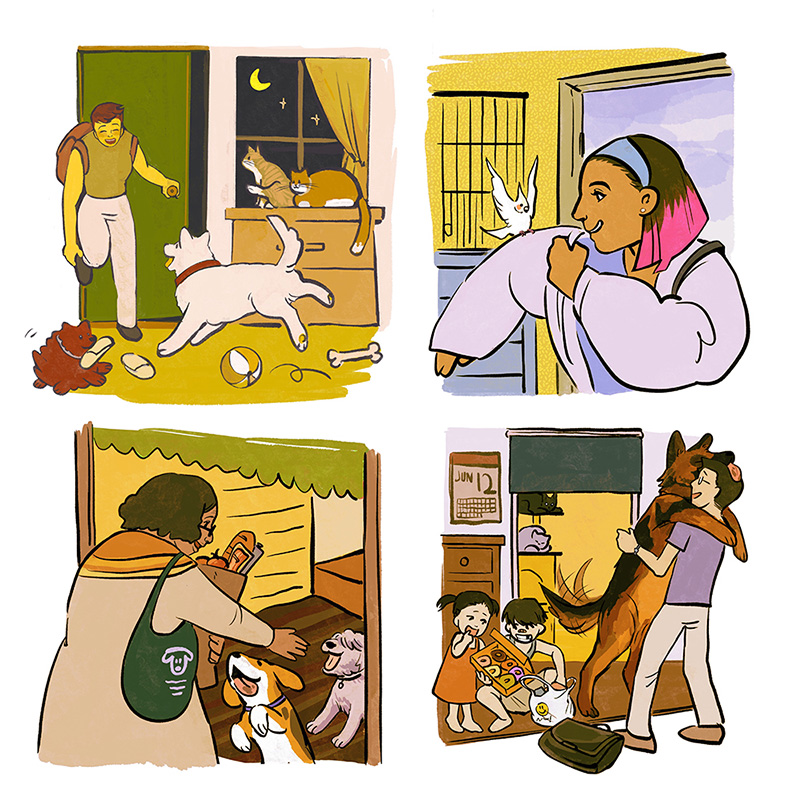
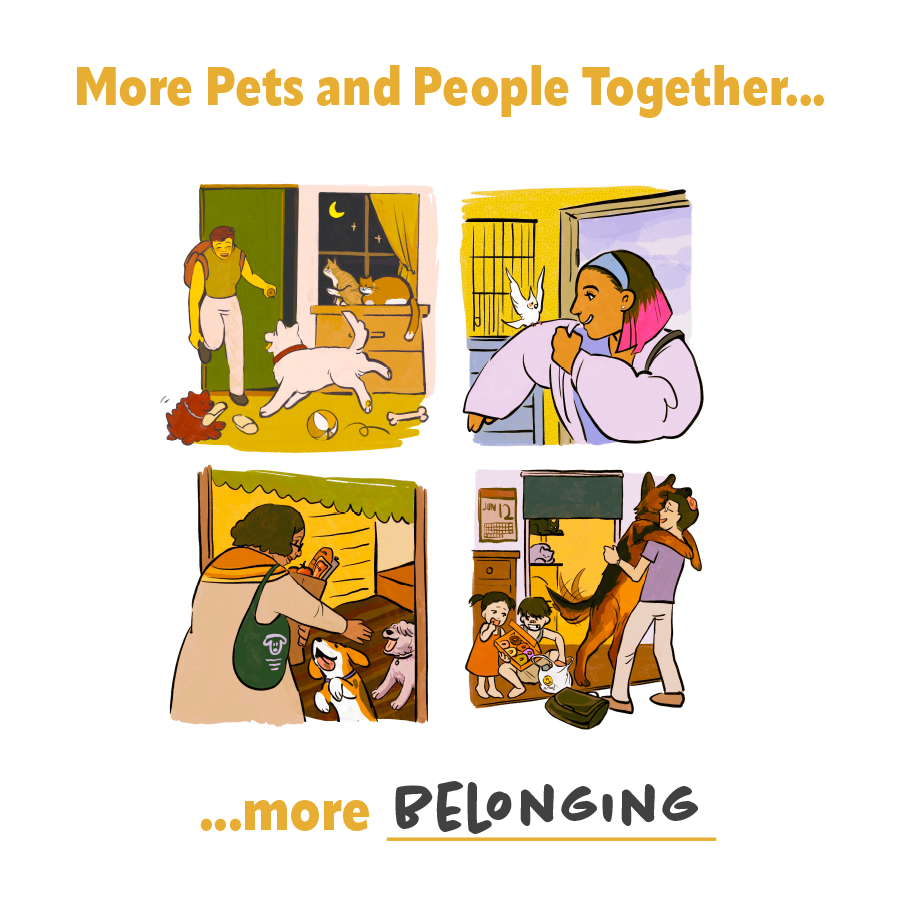
    As part of our More Pets and People Together campaign, we’re asking community members inside the shelter and out, “What do communities look like when we’re stronger side by side? What does More Pets and People Together mean to you?” Together we’re envisioning and creating communities that keep and bring pets and people together, places rooted in mutual care, joy, and connection, where everyone belongs. Artist Erika Ilumin Wahlberg tells us more about her vision and why building bridges and removing barriers to keep pets and people together is important to her. 

    What drew you to this project?

    I may not be an illustrator whose expertise lies with animal art, but the focus on community bonds really resonated with me!

    It’s also important to address barriers for pet owners when it comes to affordable vet care. I remember the panic I felt the one time I called an emergency vet clinic on behalf of a friend, and wondering if my friend’s dog would be okay to wait for a day or if it would be “worth it” to go to the 24-hour clinic and possibly take on expensive fees we couldn’t afford. Luckily his pet was okay to last the night before seeing his regular vet, but I know if the situation was more dire and he didn’t have the money to spare for emergencies—it could easily have been more stressful.

    How have animals impacted your life?

    Though I don’t have a dog of my own, I have spent many weeks dog-sitting for my aunt.

    Her dog, Maile, is a really sweet Shih Tzu and Lhasa Apso mix. When I got knee surgery and was stuck on the couch for an entire week, she would lie on the floor in front of me the entire time—the tiniest guard dog! I felt very helpless at that time, so it was always comforting to see that she was always there watching how I was doing. 
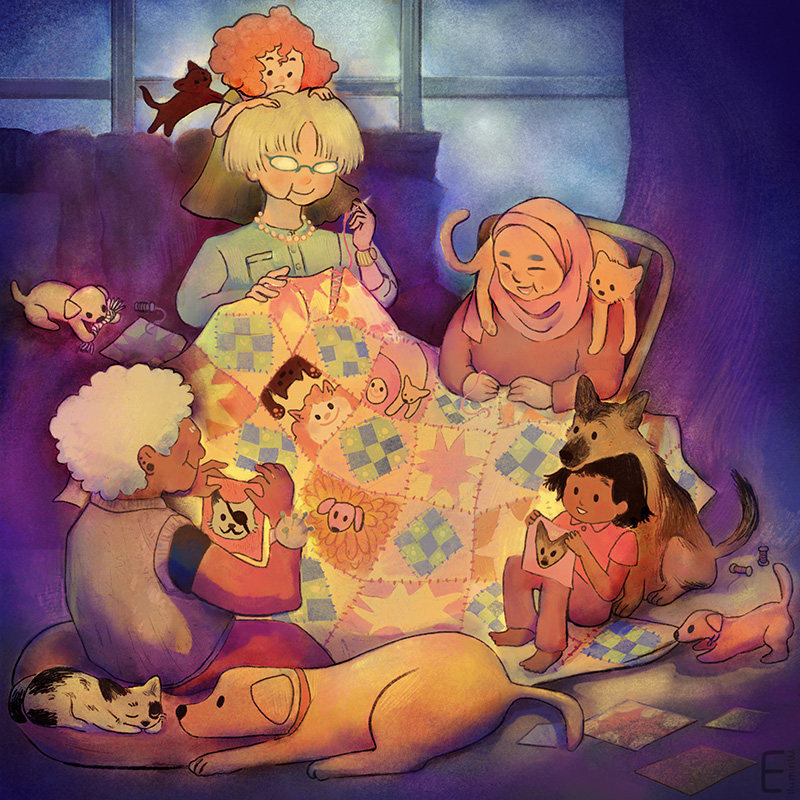
    Playing with one another is how we become stronger as a community. Play is the way we connect with pets, and I hope we carry that over in bringing play into our relationships with people!

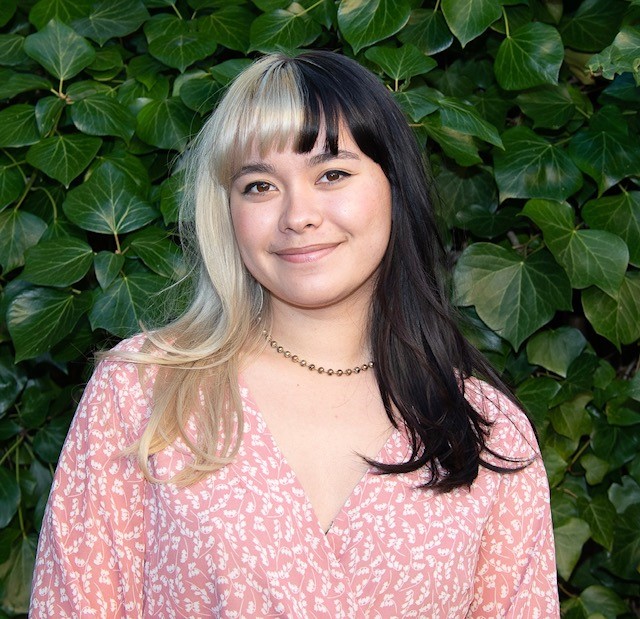
    Illustrator Erika Ilumin Wahlberg

    How would you complete this sentence? More pets and people together, more _____.

    More pets and people together, more play! The bonds we have with our pets, I think, reflects the best part of our human qualities: unconditional love. Pets create connections through play, which is something we forget how to do the older we get. Pets remind us to care for each other for the sake of caring, and to remember to play with each other no matter what age we are.

    Playing with one another is how we become stronger as a community. Play is the way we connect with pets, and I hope we carry that over in bringing play into our relationships with people!

    What do you hope your art inspires in the world?

    I hope that everyone could see themselves, or someone they love, in my art. I hope that they think of the pets and people in their life and feel like they’re part of something greater.

    Everyone deserves to feel like they’re part of something. In the case for this work, part of the quilting circle!
    Artist Erika Ilumin Wahlberg

    Erika Ilumin Wahlberg is a California based writer-illustrator with a love for fantasy and everything delightfully strange. Her work centers around stories with happy endings because she believes that dreaming of a better future is how we can imagine solutions to reach it. To see more of her work visit eilumin.com and follow her Instagram @eiluminart.
    More Pets and People Together main page


    Back to top

  • Cinco cosas que puedes hacer

    Cinco cosas que puedes hacer

    Cada uno de nosotros puede dar #AyudaHoy para
    mantener y unir a más mascotas y personas en nuestras comunidades, para que las mascotas pasen más noches en casa, no en refugios.

    Si puedes cuidar a una mascota que has encontrado durante sólo 48 horas mientras buscas a su dueño, puedes mejorar significativamente las posibilidades de que se reúna con su familia. En un refugio, menos de la mitad de los perros y menos de 1 de cada 20 gatos logran volver a casa.

    Te sorprenderá saber que los perros tienen más de diez veces más probabilidades de reunirse
    con sus dueños permaneciendo en su vecindario que en un refugio. Esto es más cierto en el caso de los gatos. Un gato que parece sano, con buen estado físico, raramente se pierde y debe permanecer donde está; hasta los gatos que realmente se pierden tienen hasta 50 veces más probabilidades de reunirse con su familia si permanecen en el vecindario donde los encontraron. Toma 48 y ayuda a tus vecinos, tanto humanos como animales. Más información sobre qué hacer si encuentras un perro, un gato o un gatito.

    Adoptando, cuidando temporalmente a un animal en tu casa o ayudando a un amigo o familiar a encontrar un hogar para su mascota, también ayuda a los animales que no ves. Al dejar libre espacio y recursos para que refugios puedan ayudar a más animales que necesitan hogar, como animales enfermos o heridos que no tienen lugar adonde ir. Según Petco Love, si un 2% más de los 85 millones de hogares con mascotas pudieran cuidar temporalmente a una sola mascota al año, podríamos eliminar la eutanasia evitable y salvar las vidas de los 800,000 animales del refugio en riesgo de eutanasia. Si adoptas, cuidas temporalmente una mascota para tu refugio local, le ayudas a un amigo buscar un nuevo hogar a su mascota o le ayudas a un vecino que necesita buscar otro hogar para su mascota mientras sirve servicio militar, problemas médicas o
    a otra situación urgente, ¡salvarás vidas y ganarás un amigo!

    Hay muchas formas de servir como representante de tu refugio o de otra organización que aboga para los animales, y ayudar a las mascotas y personas de tu comunidad. Empieza por decirle a tus vecinos sobre la mejor forma de ayudar a una mascota encontrada a volver a casa, promover mascotas adoptables en tus contactos o simplemente comparte esta lista con otras personas. También puedes ofrecer tu tiempo y talento para ayudar a mejorar la situación y hacer una diferencia. Puedes encontrar la oportunidad perfecta en persona o de casa, ya sea paseando perros, tomando fotografías de mascotas adoptables, traduciendo páginas web y otros materiales a los idiomas que se hablan en tu comunidad, o ayudando en eventos, redes sociales o tareas administrativas.

    Como para construir una casa sólida se necesita personas y materiales variados, para construir y mantener el bienestar de las personas y las mascotas se necesitan recursos comunitarios, amigos y oportunidades para florecer. Construir el bienestar en tu comunidad depende de que muchas personas trabajen juntas. Habla con los representantes electos de tu ciudad sobre la importancia de permitir que los refugios eliminen o reduzcan los costos de recuperar una mascota perdida, o de adoptar una nueva mascota para que sea accesible para todos. Urge la importancia de financiar personal y programas que aborden las insuficiencias de nuestro sistema, para que podamos ayudar a las personas y mascotas a estar juntos y contentos.

    Es especialmente importante apoyar iniciativas que desarrollen la capacidad veterinaria y extiendan el acceso a la esterilización/castración. Cuando se tuvo que suspender la cirugía de esterilización/castración durante la pandemia, nos quedamos casi tres millones de cirugías por detrás de lo que se habría logrado normalmente. La falta de veterinarios y enfermeras veterinarias en todo el país está haciendo aún más difícil seguir el ritmo de las necesidades, y a recuperar el retraso, esto se agrava más en las comunidades que antes no tenían atención
    veterinaria accesible o veterinarios en absoluto.

    También puedes ayudar a conseguir fondos para individuos, clínicas móviles o grupos comunitarios de gatos para cubrir las operaciones de esterilización/castración, o hacer donaciones a refugios de animales locales y organizaciones asociadas para ayudar a que podamos eliminar o reducir las tarifas que se ponen entre las mascotas y las personas y ofrecer recursos y servicios esenciales—como clínicas de vacunas y servicios de esterilización/castración
    a bajo costo- que unen y mantienen unidas a las personas y las mascotas de nuestra comunidad.

    La gente hace lo que puede para cuidar de sus mascotas, pero se enfrentan a barreras para obtener una vivienda accesible que permita tener mascotas, y atención veterinaria. Debido a la falta nacional de veterinarios, los veterinarios actuales atienden entre 1000 y 3000 hogares cada uno. Y como los refugios de animales y otras organizaciones comunitarias sufren a frecuencia una falta de recursos, están impedidas para atender a todas las personas y animales a las que desean ayudar. Lo que provoca una grave angustia y cansancio entre el personal. Los veterinarios, los trabajadores y voluntarios de los refugios y los agentes de los servicios para animales corren un mayor riesgo de suicidio y TEPT. Todos necesitamos más compasión y menos juicio; a que ayudarnos unos a otros mientras trabajamos juntos para mejorar el bienestar de las personas y las mascotas de nuestra comunidad.

    Si eres voluntario en un refugio o en otra organización comunitaria, o ayudas a un vecino o amigo a prestar una mano (y un paseo con el perro, ayuda en el entrenamiento o ayuda en el cuidado de la mascota), lo que haces importa. Intenta publicar algo positivo sobre las organizaciones de atención animal de tu comunidad en las redes sociales, dejar una buena opinión o escribir una nota de agradecimiento para reconocer los esfuerzos del refugio o de un miembro del equipo.

    Para más información sobre éstas y otras formas de hacer una diferencia, visita petsandpeopletogether.org

    ¿Qué son las tarifas de reclamación de refugio (también llamadas tarifas de vuelta al dueño o de recuperación)?

    Cuando una mascota encontrada en la calle se asuma perdida y es llevada al refugio por agentes de servicios para animales o miembros de la comunidad, es probable que los dueños tengan que pagar tarifas de recuperación y, potencialmente, multas civiles para recuperar a su mascota. Estas tarifas se fijan a nivel municipal o del condado, sin que los refugios puedan decidir si las eliminan o las reducen. Dependiendo de las circunstancias, un dueño puede enfrentarse a una costosa factura para recuperar a un perro que se escapó de un patio o que simplemente estaba visitando a un amigo de la calle. Junto con el transporte, el idioma y otras barreras, las caras tarifas de recuperación pueden impedir que las mascotas vuelvan con sus familias y son una de las razones por las que menos de la mitad de los perros y menos de 1 de cada 20 gatos son recuperados en los refugios de todo el país.

    Puedes ayudar a que las tarifas no se impongan entre las mascotas y las personas que las quieren ayudándole a volver a casa en lugar de llevarla al refugio, creando o donando al fondo de regreso a casa de un refugio, y uniéndote a tu refugio para defender su capacidad de reducir o eliminar las tarifas con el fin de reunir a las mascotas con sus familias.


    Más mascotas y personas unidas


    Volver arriba

  • What the “Pizza Co Cats” Taught Me About Community

    What the “Pizza Co Cats” Taught Me About Community

    This month marks the launch of our More Pets and People Together campaign, and we’re asking community members inside the shelter and out, “What do communities look like when we’re stronger side by side? What does More Pets and People Together mean to you?”
    California for All Animals Program Manager Nadia Oseguera-Ramón introduces the campaign and reflects on the word and action at its heart: Community.

    I first joined animal welfare as a kitten foster. My partner and I were picking up food from a pizzeria when we encountered a group of cats living outside the strip mall just a few blocks away from our local animal shelter. They were wisely hanging out near the garbage cans behind the businesses, robust enough to indicate they’d been looked after and were dining on more than just scraps. We saw cans of cat food and bowls of water, and later we’d meet the kittens tucked away in the bushes, the ones who would end up coming home with me.

    But first, in the businesses and surrounding homes, we met the community members caring for the cats while working and living in the area. Some were feeding the cats; others were actively trying to get them altered, or fostering the kittens and placing them in adoptive homes. They told us spay/neuter resources were scarce, and they’d been taking the cats one or two at a time when a spot opened up at a mobile clinic. We connected with FixNation and another organization that let us borrow traps, and the business owners, neighbors, and my partner and I launched a coordinated effort to trap, neuter, and return multiple cats at a time over a series of nights. Together, we altered the rest of the pizzeria cats and found fosters for the kittens. After that, business owners were more than happy to be on alert for any newcomers.

    A couple years later, I started working for a foster program based out of the animal shelter near the same pizzeria. I quickly learned that kitten fostering was as much about the people as it was about the kittens. Every time I sent kittens or cats to their foster homes, I experienced the joy of facilitating an animal-human connection, and it was especially rewarding when it was with a first-time foster. I was uplifted not only by offering them support and grace as they were learning the ins and outs, but also by connecting them to hundreds of foster caregivers linked by their love of all things cat. They offered one another consolation after the loss of a kitten, shared caregiving advice and joined together to find adopters.

    Once I’d been a novice foster taking on the challenge of learning too, and I knew that the more accessible fostering was, the more people would be able to help, and the more kittens we would be able to help together. Welcoming fosters into a larger community was part of that.

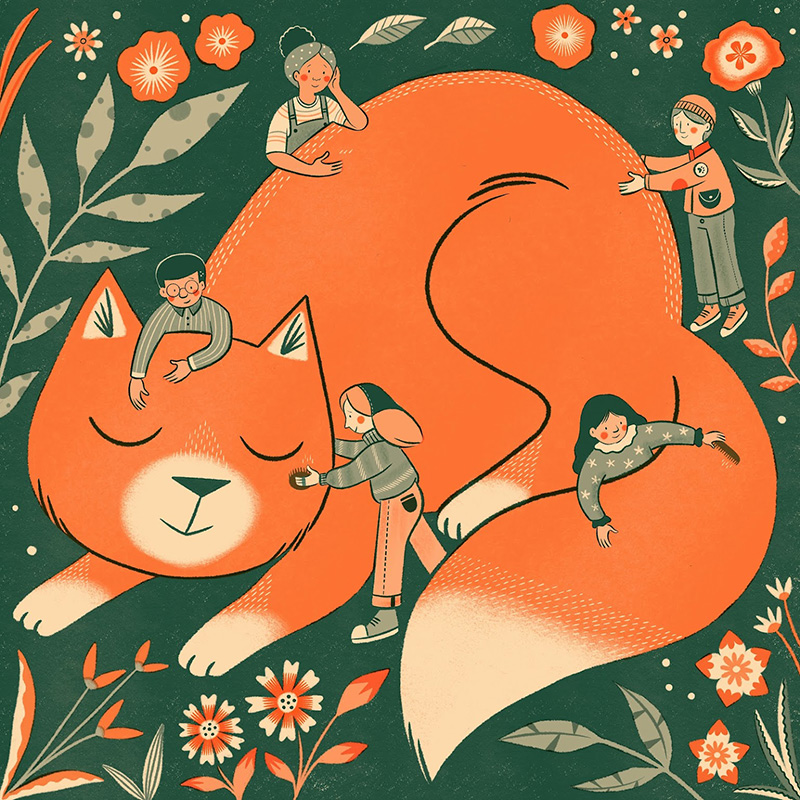
    Jade Howe's illustration depicts community members petting and caring for a larger-than-life community cat, who sits happily in field of flowers.
    Click the image to learn more about artist Jade Howe

    When barriers are replaced with bridges, it signals to people outside the shelter that there is an opportunity for a collective effort to address the needs of the animals in the community.

    Nadia Oseguera-Ramón

    More Bridges, More Community

    While circumstances vary from county to county, I often hear how receptive your community members are when you invite them in by offering low-cost or free spay/neuter, translating materials to other languages, or reducing or waiving fees…and more. It’s indisputable that animal shelters carry a lot of responsibility on behalf of their communities — you’re often tasked with covering a huge service area. However, when barriers are replaced with bridges, it signals to people outside the shelter that there is an opportunity for a collective effort to address the needs of the animals in the community.

    Our More Pets and People Together campaign and upcoming grant cycle will help shelters in California continue your important work of lowering barriers and building bridges by providing critical tools and funding to support the shifts you’re making one step at a time, during a challenging time. I hope you’ll share the campaign page and calls to action with your community and municipal stakeholders to reinforce your efforts; request a communications kit with colorful posters, buttons and stickers to share inside the shelter and out; get involved in a statewide art contest to win $5k for your shelter, and gather with your peers to celebrate the meaningful work happening across the state and country in our series of virtual roundtables.

    Removing barriers is not one-size-fits-all, and it’ll look different depending on each shelter’s circumstances or available resources. With each incremental change and barrier removed, there is a new opportunity to facilitate an animal-human connection and build trust and partnership with community members, business owners and organizations.

    When I think about reducing barriers to outcomes to welcome in more fosters and adopters, I see those thriving cats outside the pizzeria and their tiny kittens peeking through the bushes. I see the entire network of community members who had already stepped in to make sure they would be okay, and what we accomplished together. Out of a desire to protect animals and ourselves, it can be easy to assume people don’t care about the animals living alongside them, and this fuels the establishment of barriers that prevent people from accessing services or experiencing the joys of bringing an animal home. In reality, just blocks away from a shelter, this community of compassionate caretakers, fosters and adopters was already taking matters into their own hands to keep free-roaming cats healthy in their home and help kittens find new ones.

    And when I think about what More Pets and People Together means to me, I think about community — as both a place in which people co-exist and the act of being in community with others. When we assume most people do care and want to help, we can truly be in community as we all work together to keep and get more animals home. I’m grateful to be in community with all of you, and I’d love to know: What does More Pets and People Together mean to you? What steps is your organization ready to take to strengthen community, and how can we help? 

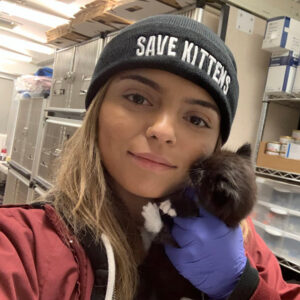
    Nadia Oseguera holds a black and white foster kitten close while wearing a hat that says SAVE KITTENS

    Nadia Oseguera-Ramón joined the Koret Shelter Medicine Program (KSMP) in September 2022 as California Program Manager. Her desire to help animals combined with her profound understanding and appreciation for people’s diverse experiences and motivations encouraged her to pursue a career in animal welfare.

    During her five years with the American Society for the Prevention of Cruelty to Animals (ASPCA), Nadia managed a high-volume feline foster program in collaboration with the Los Angeles County Department of Animal Care and Control (DACC).

    Read more about Nadia.

  • Draw, Color or Paint Your Way to $5k for Your Shelter

    Draw, Color or Paint Your Way to $5k for Your Shelter

    What’s possible when we all work inside and outside shelter walls to keep and bring more pets and people together and root out barriers that come between them? What does More Pets and People Together mean to you? Answer these questions with art, and you could win a $5,000 grant for your local shelter! 

    As part of the California for All Animals More Pets and People Together campaign, everyone is invited to reflect on what animal companionship means to them and to their community via pencil, crayon, brush, or digital drawing tool. Artists of all ages and skill levels are encouraged to enter. Here’s how:

    Illustration by Ann Liu
    • Post your original art to Facebook or Instagram with the hashtags #PetsAndPeopleTogether #MascotasYPersonasUnidas by November 11, 2023.
    • OR Pick up a flyer from your local shelter or download and print one by clicking here. Draw, paint or color your vision on the front of the flyer and return it to your local shelter. Make sure to include your name, email and phone number on the back.

    Shelters and partner organizations, request a free communications kit complete with contest flyers, posters, buttons, and stickers to share with community members inside the shelter and out, including staff and volunteers! 

    If you can’t get to your shelter or print a flyer, no problem! Draw on any piece of paper, then take a photo of your art and post to Facebook or Instagram with the hashtags #PetsAndPeopleTogether #MascotasYPersonasUnidas.

    Answering the question, “More pets and people together, more ________?” is a good way to spark your creativity. Not a visual artist but want to share what More Pets and People Together means to you? Email your story to together@californiaforallanimals.com. For inspiration and contest details, visit this page to view other art created by emerging California artists like Ann Liu.

  • Tackle Disease and Barriers with August Events

    Tackle Disease and Barriers with August Events

    As intake numbers rise in many shelters, making sure animals receive the right care, in the right place and at the right time is critical to combating crowding, curbing disease and ensuring positive outcomes. Two upcoming events will highlight tried-and-true tips for managing infectious disease and creative approaches shelter teams are taking to keep more animals in their homes, reunite them with their families or, when needed, place them in new homes as quickly as possible. 

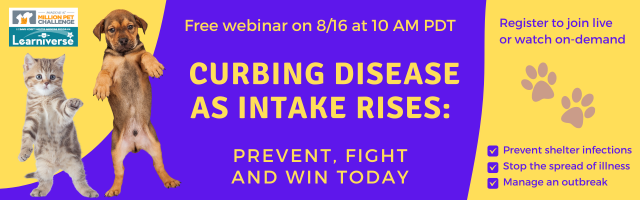
    August 16: Curbing Disease As Intake Rises: Prevent, Fight and Win Today

    Curbing Disease As Intake Rises webinar flyer
    Download a puppy– or kitten-themed flyer to share with your team!

    Does it seem like animals keep getting sick no matter what you do, especially right now with intake numbers climbing in many shelters? Does URI have to be status quo for summer? Is parvo inevitable? Have you wondered what else you can do to get ahead of these vicious cycles? This webinar is for you!

    From animal care attendants to RVTs and beyond, everyone in the shelter has the power to have a big impact on animal health. On August 16 at 10 a.m. PDT, UC Davis Koret Shelter Medicine Program veterinarians Dr. Aziz and Dr. Stuntebeck will answer your questions and arm you with the information you need to squash the most concerning infectious diseases in your shelter.

    Whether you’re providing daily care for animals or reviewing care and intake protocols, you’ll learn practical steps to relieve the strain on animals and team members. Come prepared to UNLEARN unhelpful myths and walk away with tools and techniques that will lead to healthier animals, less stress for you, and make your job of serving the pets and people in your community easier.  

    We want to answer your burning questions: submit them here. This webinar will be interactive, so bring your additional infectious inquiries and conundrums for Dr. Aziz and Dr. Stuntebeck to answer live. 

    Register and receive a link to the recording after the event. Our experts can’t wait to give you what you need to tackle this concerning issue in your shelter!

    Register Now

    More Pets and People Together Roundtable Series Kicks Off August 17

    In this series of four dynamic roundtable conversations, frontline workers leading change across California and the country will share collaborative approaches to removing barriers that come between people and pets and dish on innovative solutions they’re implementing to ensure pets spend more nights at home, not in the shelter. 

    Together we’ll dig into questions at the heart of the challenges we’re facing now. Register for the series and join your peers for the first session on August 17 at 9 a.m. PDT!

    Boosting Positive Outcomes: Antidotes to Fear, Bias and Saviorism

    More Pets and People Together Roundtables

    We want to place animals in loving homes, but strict outcomes policies and processes actually discourage awesome adopters or prevent animals from returning home, increasing length of stay; fear, anxiety and stress responses; and disease risk.

    At this roundtable, we’re getting real and discussing how we can respond when barriers rooted in fear, bias, and saviorism creep into our systems, muck up our flowthrough, and keep animals waiting. What does it look like when practices and policies are built around love, fairness, and solidarity with our community and in support of our shared goals? Four organizations will explore how community-centered adoption initiatives have opened their doors and jumpstarted positive outcome cycles for animals and more positive, connection-driven cultures among shelter teams.

    Panelists

    • Cole Wakefield (Good Shepherd Humane Society) 
    • Caitlin Daly (SPCA of Erie) 
    • Joy Smith (FieldHaven Feline Center) 
    • Denise Woodside (SEAACA)
    Save Your Seat
  • Sniptember Partnerships Add HQHVSN Throughout California

    Sniptember Partnerships Add HQHVSN Throughout California

    Up and down the Golden State, shelters and their partners are expanding high-quality, high-volume spay and neuter surgeries and training.

    Fresno Humane Animal Balance HQHVSN dates

    Animal Balance Brings HQHVSN to Fresno

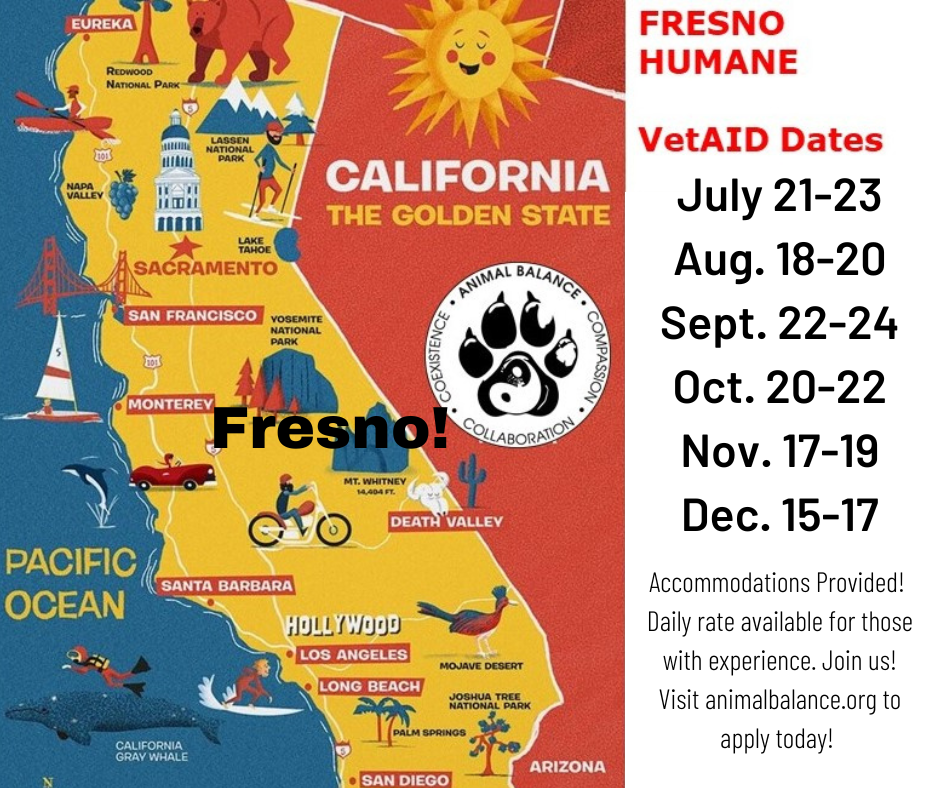
    Thanks to a Sniptember grant and global NGO Animal Balance, Fresno Humane will be spending the second half of 2023 clearing their spay/neuter backlog of hundreds of shelter animals. In a monthly series of three-day “VetAid” High-Quality, High-Volume Spay/Neuter (HQHVSN) clinics, Animal Balance will provide equipment, RVT training and about 200 surgeries per visit from July through December in Fresno Humane’s facilities. It is hoped that as the shelter’s surgical backlog becomes manageable, services will expand to include surgeries, vaccines and anti-parasite treatments for community pets or TNR.

    Over the last three years, Animal Balance has established “consistent and sustainable MASH-style veterinary care in communities across the south and southwestern United States.” California for All Animals leadership is making introductions to encourage partnerships between AB and Central Valley shelters beyond Fresno.

    Animal Balance is looking for RVTs and vet assistants experienced in spay/neuter to participate in the Fresno clinics. Stipends and housing will be provided. Anyone who is interested can click this link to sign up on their website!

    San Diego Humane Offers Mentorships in Southern Cal Counties

    Meanwhile in SoCal, the San Diego Humane society is using its Sniptember grant to provide spay/neuter & HQHVSN mentorship to shelters in Riverside, San Bernardino and Imperial Counties. Their surgical team can travel to partner shelters to:

    • Perform spay/neuter surgeries for animals in your care
    • Provide training in high-volume spay/neuter to your staff

    To learn more or to schedule a visit from their team, contact Sarah Davis, Shelter Spay/Neuter Consult Manager at sdavis@sdhumane.org.

    CAMP/Sonoma Humane Partnership Unites SoCal and NorCal Orgs to Expand S/N Efforts

    And in an alliance that bridges north and south, L.A.-based Community Animal Medicine Project (CAMP) is expanding their Veterinary Training Project (VTP) initiative in partnership with the Humane Society of Sonoma County. Funding including scholarships and travel stipends for qualifying California veterinary professionals to attend CAMP’s VTP will be provided to remove barriers to training in essential surgical and clinical techniques that will help alleviate the overburdened animal shelter system in California. The three-year, $704,000 Sniptember grant provides increased access to training to an estimated 60 veterinary professionals who will take their skills back to animal shelters or non-profit arenas.

    “Our RACE-certified veterinarian training program provides hands-on surgical experience for licensed California veterinarians. Half of our VTP’s seventy-plus graduates have gone on to work as veterinary surgeons at CAMP or work at other nonprofits and shelters, demonstrating the effectiveness of this program,” said Dr. Zach Deegan, CAMP’s VTP Medical Director.

    “The HQHVSN VTP is set to make a profound impact on reducing shelter populations and unnecessary euthanasia,” said Albert Escobedo, Director of Veterinary Operations at HSSC. “In collaboration with CAMP (Community Animal Medicine Project), we are not only expanding access to spay/neuter and basic veterinary services but also actively training veterinarians in HQHVSN techniques…This collaborative effort will help us save countless lives, enhance animal care, and build a more compassionate society for all animals.”

    “This partnership is a perfect example of what is possible when Californians put our heads and our hearts together,” added Nadia Oseguera, California for All Animals program manager. “Through this collaboration, barriers are removed, equity is built, access to High-Quality, High-Volume Spay and Neuter training is expanded, shelter intake is decreased, our statewide capacity to care for each other grows, and, ultimately, more California pets and their people stay together, stronger, side by side.”

  • California Animal Welfare Funders Collaborative Awards Grants to 24 California-Based Organizations

    California Animal Welfare Funders Collaborative Awards Grants to 24 California-Based Organizations

    This Year’s Recipients Are Working Towards Keeping People and Pets Together 

    $300,0000 Granted in an Effort to Break Down Barriers That Are Causing California Shelters to Remain Full

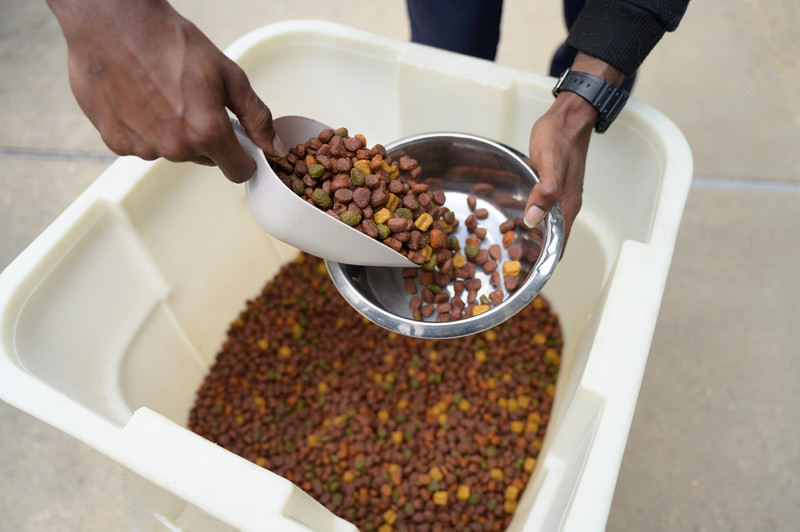
    Kibble being scooped from a tub and poured into a metal bowl

    Two dozen animal shelters across California will receive grants through the California Animal Welfare Funders Collaborative (CAWFC). The collaborative, launched in August 2019 by Best Friends Animal Society, Annenberg Foundation, California for All Animals, Maddie’s Fund, and Michelson Animal Foundation, offers a unique funding model created to bring about a transparent and comprehensive funding ecosystem whereby funders pool their money together to provide a more streamlined process that fosters a deeper partnership.  

    The most recent round of funding will provide $300,000 to California shelters bridging the gap in their communities between at-risk pets and essential care, such as vaccinations, microchips, medical services and other support services, like help securing pet housing or emergency foster care.  

    The funding cycle kicked off earlier in July and will end in June 2024.  

    A breakdown of the grants awarded  

    A total of $35,000 in grants was given to Southern California organizations, including: 

    • $10,000 to Los Angeles County Department of Animal Care and Control for resources to support their pet retention programming 
    • $10,000 to Chula Vista Animal Services for vaccine clinics and spay/neuter for owned pets 
    • $5,000 to City of Los Angeles Department of Animal Services for resources to support their pet food pantry 
    • $5,000 to Heaven on Earth Society for Animals to launch their Kitty Behavior Bootcamp 
    • $2,500 to Rancho Coastal Humane Society for for resources to support their Doggie Day Out programming 
    • $2,500 to San Gabriel Valley Humane Society for resources to support their dog and cat enrichment program 

    $76,500 in grants was given to organizations in Central California, including: 

    • $15,500 to Kings County Animal Services to support their Return-to-Owner programming in shelter and in the field 
    • $10,000 to City of Bakersfield Animal Control to support spay/neuter and identification for owned pets 
    • $10,000 to Inyo County Animal Services for TNR of their community cats 
    • $10,000 to Friends of the Animal Community for their Seniors for Seniors program that pulls senior dogs at risk from other shelters 
    • $10,000 to Kerman Police Department for their TNR and Surrender Prevention programs 
    • $7,500 to Animal Shelter Assistance Program (ASAP Cats) for intake diversion through medical care for owned and community cats 
    • $7,500 to Visalia Animal Services for TNR in their contracted cities 
    • $6,000 to Bakersfield SPCA to increase Return-to-Owner rates with ID tags

    $188,500 in grants was awarded to Northern California organizations, including:  

    • $60,000 to Siskiyou Humane Society for a van to continue operations 
    • $40,000 to Stanislaus Animal Services Agency to enhance their clinic capabilities through equipment modernization to better support their community 
    • $24,000 to FieldHaven Feline Center for their Kitten Sitter Program that diverts kitten intake 
    • $18,500 to Tehama County Animal Services for their monthly vaccine and microchip clinic for owned pets 
    • $10,000 to Rancho Cordova Animal Services for community support helping owners retain their pets
    • $10,000 to Nine Lives Foundation to launch a HQHVSN training program for local vets 
    • $10,000 to Friends of the Alameda Animal Shelter (FAAS) to support their Skyla Fund (medical services for pet retention) 
    • $7,000 to Town of Truckee Animal Services for intake diversion through services to the community 
    • $5,000 to Cat Town to expand their Kitten adoption program in retail locations 
    • $4,000 to Contra Costa Humane Society to support their county shelter with kittens
  • Online Kitten Guidebook Fully Revised and Updated

    Online Kitten Guidebook Fully Revised and Updated

    The most popular page on Sheltermedicine.com is “Caring for Kittens from Birth to Eight Weeks,” Chapter 2 of the online Guide to Raising Unweaned & Underage Kittens. The guidebook is part of the shared resource library developed and maintained jointly by veterinarians in the UC Davis KSMP and the University of Wisconsin-Madison Shelter Medicine Program.

    First published in 2017, the guidebook was recently reviewed from tip to tail and substantially revised to reflect the most current terminology and practices around caring for unweaned and underage kittens in shelter and foster environments. The new revision received input from shelter veterinarians from UCD and UW, and was updated with the assistance and expertise of Marnie Russ, Neonatal Kitten College Program Administrator, Animal Welfare League of Arlington.

    “Kittens! We’re all so excited to be the go-to for caring for our youngest, most vulnerable population – who bring us so much joy, and so much stress all at the same time. This guidebook revision brought together the expertise, experience, and research from an array of folks who have helped an innumerable number of kittens. Some of it is new learnings to be shared and some of it is consistent throughout time. It is our hope that this is a trusted source to help everyone doing the work.”

    Dr. Cynthia Karsten

    Other Guidebooks currently available in the library:

    5 Requirements for Kitten Care:

    1. Keep kittens warm.
    2. Provide kittens with adequate hydration and nutrition.
    3. Keep kittens clean.
    4. Provide socialization with people and with foster mates.
    5. Do your best to protect them from infectious disease.

    From the Guide to Raising Unweaned & Underage Kittens

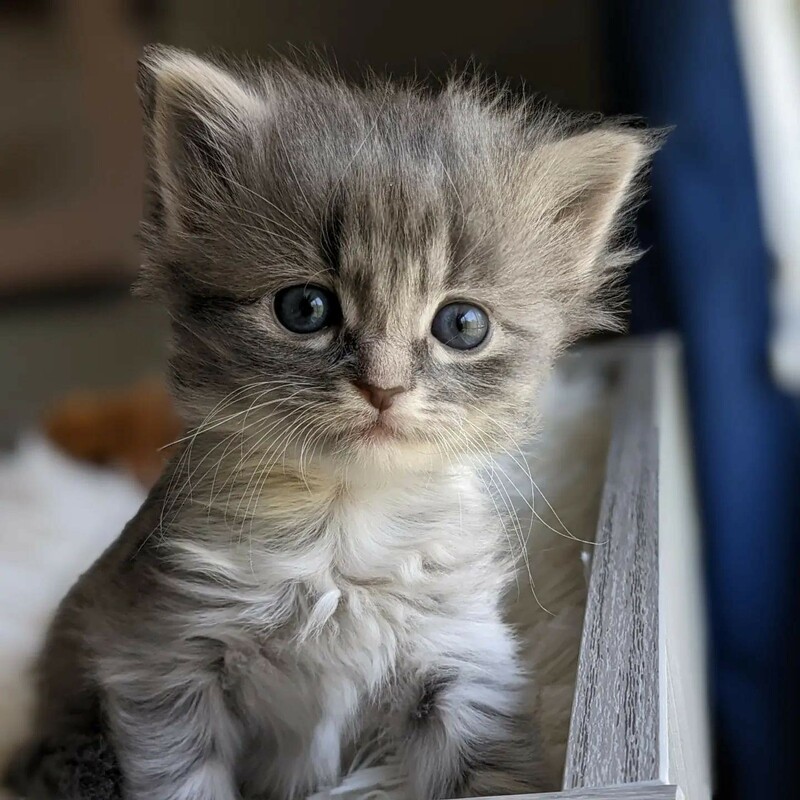
    cute gray kitten with fluffy white chest

  • When the Heat Rises, Blythe ACO John Bush Has Your Back

    When the Heat Rises, Blythe ACO John Bush Has Your Back

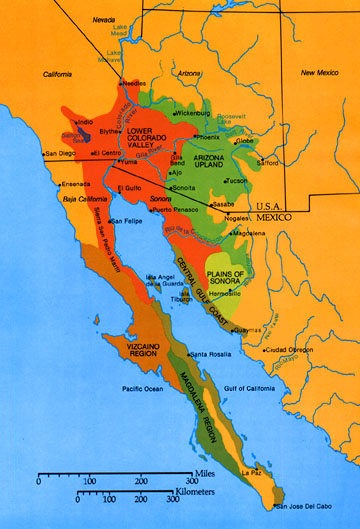
    Approximately 225 miles east of Los Angeles and 150 miles west of Phoenix, located inside of Riverside County and flanked by the Colorado River, you’ll find Blythe, California, a rural desert town named after the San Francisco financier who established water rights to the region. You’ll also find John Bush, sole animal control officer for Blythe’s animal shelter, collaborating with residents and visitors to craft solutions for challenges both anticipated and unexpected. 

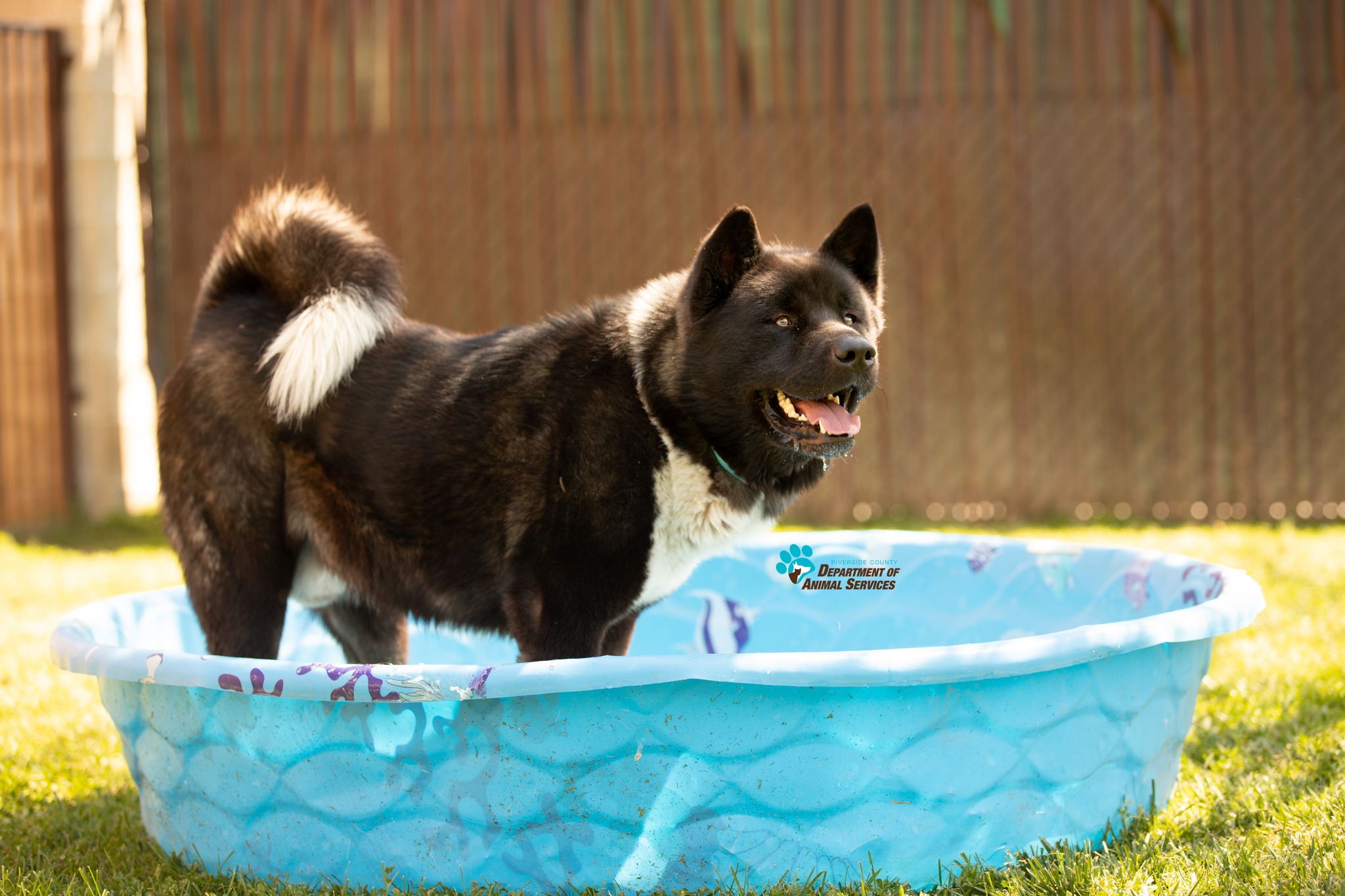
    Currently John is racing against the summer sun to launch his idea for a “cool down” campaign, an initiative to get more portable kid-sized pools in the yards of outdoor pets. In the hottest, driest subdivision of the Sonoran Desert, it’s about helping people keep their pets not just comfortable in the summer, but safe. Blythe is known for temperatures that hang around a blistering 110 degrees and sometimes climb to 120. On a typical day, though, he’s pulled in several equally important directions, all in service to his community.  

    Travelers as well as people experiencing homelessness can be especially vulnerable to the heat, and John, a Blythe native familiar with the dangers that come with extreme temperatures, watches out for them and their pets.   

    “We have an influx of river [encampments] in the summertime. When animals get lost […], they don’t know where to go and they wander. A lot of my job is public education and helping people know what they need to do in the summer months. Many travelers just don’t know how hot it is here, so I’m out there hitting those stopping points.” 

    John is also on hand to help livestock, wildlife, and reptiles in addition to companion animals.  

    “My day does not look anything like I thought it would,” he says. “I grew up in this area, I’ve been around livestock my whole life. They told me I could learn dogs and cats, but they needed someone who knew livestock.”  

    Helping kids help their families

    As John quickly realized, the job is as much about people as it is about dogs, cats, or livestock. Whether it’s getting animals back to their families or playing detective to figure out how a community member’s animal keeps getting loose, helping people and sharing knowledge is his favorite part of the job. And as a 4-H leader for the last 30 years and a volunteer firefighter for 27, John knows young people lead change in their communities and in their families.  

    “If you can work with kids to get at the problem, they’ll help solve that problem at home.”  

    Recently, he was able to keep a rowdy dog in his home by engaging the family’s children in the problem-solving process.  

    “They were on board,” John recalls. “I was just out there the other day for a check-up and the kids were still completely on board. They had fixed the fence and were working with the dog. They totally helped their parents out and the dog is still with the family.” 

    John is also working to develop a presentation on animal care that “teachers can have on hand to share with the children whenever they find 30 minutes or need a quick lesson.” He’s timed the education campaign to land right before students are released for the hot summer months—he wants those pet pools to be top of mind as they head into break. 

    Outside of the shelter, he also teams up with young people to strengthen community fire safety, delivering fire prevention and safety programming to kindergarten through fourth grade classrooms. He knows the children will help their parents spot dry brush that needs to be cleared, identify locations where smoke detectors should be installed, or recognize already-installed detectors in need of maintenance.  

    Photo credit: Riverside County Animal Services

    Finding funding: From paperwork to partnership

    Covering nearly 30 square miles, approximately half of which is rural, is a tall order for one field officer. Added to the geographic challenges are the difficulties of documenting all the encounters in his jurisdiction. 

    “I love helping people,” John says. “The hardest part of my job is really just the paperwork. I like to be in the field; I want to go out there and make a difference. But the more work you do, the more paperwork that needs to be done…hours of it! I’m the only ACO out here, I should be out in the field teaching and doing things.”

    John applied for a California for All Animals grant and was awarded the money needed to hire a part-time coordinator. With an extra set of hands to assist with licensing, vaccinations, administrative duties, and, of course, humane education materials, he can spend more time in the field coming up with creative solutions to help animals and people stay safe together. The funding will also help secure microchips to ensure lost pets are reunited with their families, humane cat traps, and a climate-controlled vehicle to transport animals across the desert in the hot summer months. 

    Sonoran Desert photo courtesy of the Arizona-Sonora Desert Museum

    Today you’ll find John stocking his “arsenal of supplies” to create pet care kits for community members, like those losing their housing and struggling to find pet-friendly accommodations. Sixty percent of renters in San Bernadino and Riverside Counties “worried that they won’t be able to make the next month’s rent,” and 39% were extremely or moderately concerned that they will have to move out of their homes for reasons outside their control,” according to a 2020 survey by the Othering and Belonging Institute at UC Berkeley.  The survey also found that “insufficient affordable housing in the Inland Empire corresponds with families making harmful cutbacks.” John proactively works with the sheriff to identify families who are at risk of eviction in case transportation, crates, or kennels might help pets and their owners during the transition.  

    The new coordinator position also means he’ll have the time to make his cool-down campaign a reality in time for the first heatwave. In May, the average high is 97 degrees; by June, it soars to 106.  

    No matter what the project, John says, you can’t go it alone. 

    “We can’t do it by ourselves. We need the community, we need people’s opinions, we need their input. And sometimes we need help understanding how to fix something. Sometimes we don’t have the answer and we need help finding those answers.”  

    https://vimeo.com/817828476/ffc2f093cb

    ACO John Bush has seen a lot of turnover in the animal welfare field. In this short clip, he shares his advice on how to approach the rewarding and often challenging work.

    Related Stories

  • Assembly Bill Seeks to Advance Veterinary Telemedicine

    Assembly Bill Seeks to Advance Veterinary Telemedicine

    The San Diego Humane Society and the ASPCA are advocating for Assembly Bill 1399, legislation that seeks to increase access to services in the face of a critical shortage of trained veterinarians in California by lifting state regulations restricting provision of veterinary care via telemedicine. The bill was revised and sent back to committee on March 20.

    Advocates argue that telemedicine can help close gaps in access to care particularly in rural areas and in communities where the local shelter does not have a veterinarian on staff.

    In a nationwide survey conducted by the ASPCA, nearly a quarter of the respondents reported they wanted or needed veterinary care in the past two years but were unable to get it. More than two-thirds of them would have used telemedicine if it had been available.  Read the April 10, 2023 press release.

    The ASPCA is asking veterinary professionals to sign an online petition in support of veterinary telemedicine here.

    Cat sitting on woman's lap looking at veterinarian on laptop computer